Add Row
Add Element
cropper
update
Marin Home Ideas
update
Add Element
  • Home
  • Categories
    • Home Remodeling Ideas
    • Interior Design & Decor Ideas
    • Gardening & Landscaping Ideas
    • Outdoor Living & Entertaining
    • Health & Wellness at Home
    • DIY at Home
    • Kitchen Ideas
    • Bedroom Ideas
    • Bath Ideas
    • Cooking at Home
    • Home Office Ideas
    • Lighting Ideas
    • Furniture Ideas
    • Architecture Ideas
    • Senior Living at Home
    • Home Finance
    • Real Estate News
May 04.2025
3 Minutes Read

Discover the Key to Growing Juicy Tomatoes with This Proven Hack!

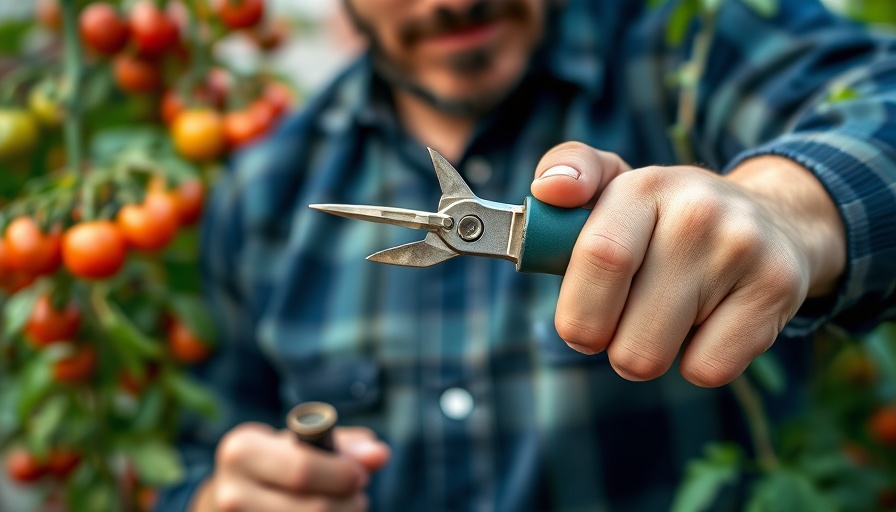
Man using new technique for growing tomatoes, innovative garden tool.

Unlock the Secrets to Growing Ripe Tomatoes

Imagine stepping into your backyard and plucking a bright, juicy tomato straight from the vine. Whether you’re a seasoned gardener or just starting with a few pots of tomato plants, everyone desires that ultimate tomato-growing victory. Thankfully, there’s one hack that many successful gardeners swear by, and it surprisingly isn’t complicated!

Why This Tomato Growing Hack Works

The secret to vibrant, bountiful tomatoes lies within the planting method known as "deep planting". This method involves setting the tomato seedlings deep into the soil, covering part of their stems, and allowing more roots to develop along the buried stem. This extra root support provides the plants with better moisture and nutrient absorption, leading to healthier plants that produce larger quantities of tomatoes.

Historical Context: A Garden Tradition

Gardening has been a fundamental part of human society for thousands of years, with various cultures employing different techniques to yield the best crops. The concept of deep planting isn’t new; it's rooted in ancient agricultural practices tailored to enhance plant resilience. Understanding the historical context surrounding these gardening methods empowers new gardeners to have greater success in their endeavors.

The Role of Soil Quality in Tomato Growth

While deep planting is a critical hack, the soil quality plays an equally pivotal role. Rich, organic garden soil mixed with compost and nutrients is essential. The texture and pH balance can dramatically affect your plants’ ability to absorb water and nutrients, making soil testing and amendment critical steps for aspiring tomato growers.

Practical Tips for Garden Care

As you embark on your tomato-growing journey, here are some actionable insights to keep in mind:

  • Watering: Regular watering is crucial, particularly in the first few weeks of growth. Consistency helps prevent shock and supports stronger roots.
  • Lighting: Tomatoes thrive in full sun—aim for at least six to eight hours of direct sunlight daily.
  • Pest Control: Keep an eye out for common pests. Natural pest control methods can help keep your plants healthy without harmful chemicals.
  • Fertilization: Use organic fertilizers to provide balanced nutrition as your plants mature.
With the right care and attention, your tomatoes will flourish, giving you a taste of summer right from your backyard garden.

The Emotional Connection to Gardening

For many, gardening isn’t just about growing food; it's a profound connection to the earth. Watching a seed grow into a fruitful plant brings a sense of accomplishment that resonates deeply within. It’s a reminder of patience and nurturing, and the joy it can provide is both heartwarming and therapeutic. As you grow your tomato plants, remember to take a moment and appreciate the journey—the growth, the struggles, and ultimately, your rewards.

Conclusion: Start Your Tomato Kingdom

Ready to embark on your tomato-growing adventure? With the deep planting hack in tow and a heartfelt approach to care, vibrant, juicy tomatoes are well within your reach. Dive into your garden, order those seeds, and let the magic of gardening unfold!

Gardening & Landscaping Ideas

9 Views

0 Comments

Write A Comment

*
*
Related Posts All Posts
01.12.2026

Why is My Plant Drooping? Seven Care Tactics to Revive Indoor Plants

Update Understanding Why Your Plants DroopEvery plant lover knows that a drooping plant is a distressing sight. A sad, wilted plant doesn't just indicate neglect; it can be a clear indicator that something is amiss. While there could be various reasons for why your plant is drooping, understanding the underlying causes can help you revive it. Julie, an avid indoor gardener, discovered the secret to her plant's health only after investigating the roots of the problem. In this article, we’ll delve into the major reasons your plants may droop and offer practical solutions to restore them to their vibrant selves.Lack of WaterThe most common reason a plant droops is simply lack of water. Julie often relied on her peace lily as a litmus test for her other plants. When it droops, she knows it’s time to quench the thirst of her green companions. Always remember to touch the soil—if it's dry, it’s time to water. But be cautious: under-watering isn't the only issue.Overwatering: The Silent ThreatIronically, many indoor plants face issues not due to neglect, but due to an excess of care. Overwatering can lead to yellow leaves and ultimately wilted plants. Julie learned that it’s crucial to let the soil dry out completely before watering again. This rings especially true during the cold months when water lost through evaporation is minimal. A well-draining pot is essential to prevent soggy roots, the silent enemy of many houseplants.Light Levels MatterNot all plants enjoy the same lighting conditions, and this can lead to drooping. Move your plants to a brighter spot gradually, especially if they are not thriving in their current location. Julie discovered the difference ample light made for her fussy fern, which stretched toward brighter windows, shedding its droopy leaves in favor of vibrant green growth.Weight and Support IssuesSometimes gravity is to blame. If your plant is producing heavy fruit or flowers, the branches may sag under the weight. Julie found that a simple adjustment—adding some props or pruning back leafy excess—can solve the problem before the plant suffers too much stress.Aging Leaves and Plant MaturityAs plants mature, it’s normal for older leaves, particularly those near the bottom, to droop. Instead of panicking, Julie embraces this cycle, pruning during the growing season to encourage new growth. This practice not only keeps her plants looking their best, but helps direct energy where it’s needed most.Consider Repotting for Rootbound PlantsPlants can become rootbound, which means they’ve outgrown their pots and may not be getting the nutrients or water they need. Julie once was surprised that a repotting made a world of difference for her ficus, which happily flourished after being given more space to grow. If roots are cramped, consider transferring them into a larger pot with fresh soil.Addressing Temperature and Environmental ChangesDrooping can also be a response to temperature shifts. Houseplants may show signs of shock when exposed to warm conditions in the day and cool drafts at night. Implementing stable temperatures in Julie's home made her plants happier and healthier overall.The Importance of Consistent CareUltimately, the most important part of plant care is consistency. Just as Julie learned the importance of trimming and timely watering, understanding each plant's individual needs is essential for growth and survival.Actionable Steps to Revive Your Plants1. Assess watering: Always check the soil before making a decision on watering. 2. Evaluate light: Ensure your plant receives adequate light according to its needs. 3. Inspect for drainage: Make sure pots have holes and the soil promotes oxygen flow. 4. Provide support when needed: Don’t hesitate to prune or prop up your plants.As you explore your plant care journey, you’ll find joy in the simple act of caring for your greens. Sharing this knowledge with fellow plant enthusiasts can strengthen community bonds, much like a well-maintained garden fosters growth and friendship.To maintain your plant’s vibrant health, adopt consistent care practices. Creating a nurturing environment, just like any good home, will reflect in the happy brightness of your foliage. Let’s get those plants perked up!

01.12.2026

Grow Vibrant Moth Orchids: Essential Care Tips for Beginners

Update Unlock the Secrets to Thriving Moth Orchids Are you captivated by the stunning beauty of moth orchids but hesitant to bring one home? Fear not! Moth orchids, or Phalaenopsis, are some of the most forgiving and straightforward plants for new and seasoned gardeners alike. With their striking blossoms and minimal care requirements, they're perfect for brightening your indoor space. What Makes Moth Orchids So Special? Originally native to tropical regions of Asia, moth orchids thrive in warm, humid environments and can produce flowers year-round. With their diverse colors—from vibrant yellows and pinks to elegant whites—these plants can complement any interior aesthetic. One unique characteristic of moth orchids is their aerial roots, which benefit from humid air, drawing moisture from the environment. Essential Care Tips for Moth Orchids To cultivate healthy moth orchids, you need to understand their distinct needs: Light Requirements: Place your moth orchid in a location with bright, indirect sunlight. Ideal spots include east or north-facing windows, where the plants can receive light without the risk of leaf burn from direct sun exposure. Watering Wisely: Water your orchid weekly, allowing the growing medium to dry slightly between waterings. Overwatering can lead to root rot, whereas underwatering may cause leaves to wrinkle. Humidity Control: Moth orchids love humidity. Use a pebble tray filled with water beneath your plant to maintain moisture or mist the leaves regularly, especially during dry seasons. Choosing the Right Medium Your potting mix is vital for your orchid's well-being. Standard potting soil is too dense for moth orchids. Instead, opt for a specially formulated orchid bark mix that promotes drainage and prevents root rot. Some gardeners even add sphagnum moss or perlite to retain adequate moisture without suffocating roots. Common Pests and Mistakes While moth orchids are generally resilient, they can attract pests like mealybugs and spider mites. Regularly inspecting your plants is crucial. When watering, ensure that water does not accumulate in the leaf crown, as this can lead to fungal diseases. If you notice any issues, consider simplifying care routines by tackling water management first - it's often the root cause of multiple problems. The Rewards of Blooming Moth Orchids With proper care, your moth orchids can produce vibrant flowers for months. After each bloom cycle, encourage further blooming by trimming spent flower spikes back to a healthy node. This not only makes the plant look neat but can also trigger new growth. Get Inspired and Start Gardening Caring for moth orchids can transform your living space and make for a rewarding hobby. Whether you're enhancing your home environment or looking for a delightful addition to your workspace, these beautiful plants fit the bill. Share your journey of growing moth orchids with friends and fellow gardening enthusiasts, and inspire them to embrace this enchanting hobby. Ready to unleash your inner gardener? Equip yourself with reliable gardening tools and organic fertilizers to nurture not just moth orchids but your entire indoor garden. Conclusion Moth orchids are more than just beautiful plants; they're easy to care for and can thrive in home environments, making them the perfect indoor companions for anyone looking to enliven their space. Cultivating these evergreen epiphytes can be a meditative and fulfilling experience. Embrace the art of orchid care, and soon you'll find yourself surrounded by blooms that bring cheer even in the coldest seasons.

01.11.2026

Transform Your Backyard With Budget-Friendly Tiny Garden Makeovers

Update Unlocking the Potential of Small Spaces Transforming tiny backyards and courtyards into beautiful, functional outdoor spaces can feel daunting. However, with creativity and awareness of budget-friendly options, anyone can achieve their dream garden, irrespective of size. The insights presented in the video Best Budget Friendly Tiny Garden Makeovers! present an inspiring guide for garden enthusiasts who want to make a change.In Best Budget Friendly Tiny Garden Makeovers!, the discussion dives into clever gardening ideas, exploring key insights that sparked deeper analysis on our end. Stylish Low-Maintenance Designs One of the key takeaways from the video is the concept of low-maintenance design. Selecting plants that naturally thrive in your local climate reduces the need for extensive lawn care. Consider incorporating drought-resistant plants or native species into your design—these provide richness and color while requiring minimal upkeep. Imagine a butterfly garden bursting with vibrant flowers, attracting local fauna while aligning with organic gardening principles. Creative and Clever Budget-Friendly Ideas Embracing simple DIY landscaping upgrades can significantly enhance your outdoor space without draining your finances. Options like raised garden beds not only beautify your garden but also allow you to grow flowers or an edible garden. Using reclaimed wood for construction can yield creative garden border ideas, enhancing curb appeal in an environmentally-friendly way. Maximizing Small Spaces with Container Gardening In many urban settings, space can be limited, leading to the rise of container gardening. Container gardening allows you to maintain a lush garden even in small areas like balconies or patios. Tools like plant stands can elevate the garden decor, creating layers of visual interest while keeping plants organized and healthy. This approach is perfect for beginners, as it provides control over soil health, watering schedules, and even pest management. Embracing the Community: A Place for Local Voices Beyond individual efforts, there is immense value in cultivating community garden spaces. These can transform unused lots into vibrant hubs where neighbors gather, share gardening hacks, and swap produce. Community gardens not only help in fostering social connections but also contribute toward sustainable practices, promoting organic gardening and local biodiversity. Innovation and Inspiration in Garden Technology Modern innovations have made it easier to care for gardens, regardless of size. Drip irrigation systems can efficiently water your plants, reducing the time spent on garden maintenance. Coupled with efficient mulching methods, these tools can create ensure adequate moisture retention, which is ideal for small gardens where every drop counts. Future Trends in Tiny Garden Makeovers Looking ahead, we can expect to see even more trends toward sustainable gardening practices. Elements like vertical gardening and integration of water features will likely gain prominence as people seek to enhance their space with eco-friendly systems. As interest in urban gardening grows, so will the availability of resources, educational content, and community workshops, allowing individuals to boost their gardening skills while creating beautiful spaces. Through the lens of DIY cultivation, home improvement enthusiasts can discover the vast potential held within their small outdoor spaces. Armed with knowledge from the Best Budget Friendly Tiny Garden Makeovers! video, you can feel encouraged to dive into this creative process. Whether you’re choosing to plant flowers, develop a vegetable patch, or simply improve lawn care techniques, the possibilities are endless!

Terms of Service

Privacy Policy

Core Modal Title

Sorry, no results found

You Might Find These Articles Interesting

T
Please Check Your Email
We Will Be Following Up Shortly
*
*
*