Add Row
Add Element
cropper
update
Marin Home Ideas
update
Add Element
  • Home
  • Categories
    • Home Remodeling Ideas
    • Interior Design & Decor Ideas
    • Gardening & Landscaping Ideas
    • Outdoor Living & Entertaining
    • Health & Wellness at Home
    • DIY at Home
    • Kitchen Ideas
    • Bedroom Ideas
    • Bath Ideas
    • Cooking at Home
    • Home Office Ideas
    • Lighting Ideas
    • Furniture Ideas
    • Architecture Ideas
    • Senior Living at Home
    • Home Finance
    • Real Estate News
June 27.2025
3 Minutes Read

Discover the Secrets of Dyer’s Woad: A Guide for Gardeners

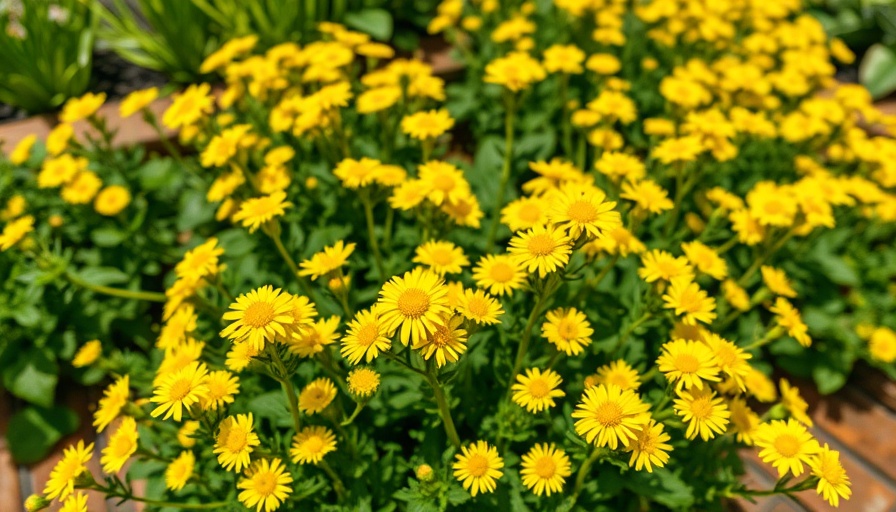
Lush yellow Dyer's woad flowers thriving in a garden bed

The Rich History of Dyer's Woad

Dyer's woad, scientifically known as Isatis tinctoria, has been intertwined with human culture for centuries due to its unique ability to produce a vibrant blue dye. Originating from regions in central Asia and Siberia, this plant has found its way into various agricultural practices globally. It was a staple for artists and fabric dyers long before synthetic dyes became commonplace. Ancient cultures recognized the exceptional properties of woad, turning it into the go-to dye for textiles and even body art.

Unique Characteristics of Dyer's Woad

Woad typically grows between one to three feet tall and boasts a basal rosette of bluish-green, hairy leaves. In spring and summer, clusters of tiny yellow flowers emerge, adding a pop of color to gardens. Despite its beauty, woad's capacity to thrive in various environments also leads to its classification as an invasive species in several areas of North America. While it can be cultivated carefully in home gardens, gardeners must be conscious of its tendency to spread.

Growing Conditions and Best Practices

To successfully cultivate dyer's woad, ensure you provide well-draining soil, direct sunlight, and adequate space to avoid overcrowding, which can lead to pests and diseases. Ideally, this plant flourishes in regions with around sixteen inches of rain annually, with temperatures above nine degrees Fahrenheit. The USDA Hardiness Zones for dyer's woad range between zones 4 and 8, making it suitable for various climates.

Maintenance Tips for a Flourishing Garden

Regular maintenance is essential for growing woad, especially if you want to harness its dye capabilities. Keeping a check on moisture levels is vital, as woad prefers not to be waterlogged. Wild plants may thrive in disturbed areas, but those in gardens require a little more care. Implementing a straightforward watering schedule and an organic mulch layer can help maintain soil moisture and suppress weeds, creating an ideal environment for growth.

Common Pests and Diseases

While woad is generally hardy, it can still attract common garden pests like aphids and caterpillars. Monitoring for signs of infestation early will help mitigate any potential damage. If diseases such as root rot become a concern, improving drainage and avoiding overwatering can be effective preventive measures. Use organic pest control methods, such as introducing beneficial insects or applying neem oil, to ensure a healthy growth experience.

Making Woad Part of Your Landscape

Dyer’s woad can serve as a unique addition to flower gardens, herb gardens, and landscaping projects. Its striking foliage and historical significance make it a wonderful talking point in any garden or landscape design, particularly those focused on pollinator-friendly plants. Consider incorporating woad into borders or companion planting schemes with herbs and flowers that thrive under similar conditions, maximizing garden plant diversity.

Conclusion: Embrace Woad for a Sustainable Future

As gardening enthusiasts look towards sustainable practices, incorporating plants like dyer's woad can lead to a more organic and fulfilling gardening experience. Whether you’re drawn by its historical significance or its potential for dye production, woad offers a unique perspective on how we can utilize nature's resources thoughtfully. Start embracing this remarkable plant by integrating it into your home garden, and enjoy the multiple benefits it offers. Remember, as you cultivate woad, to keep an eye on its growth habits to maintain its place in your garden sustainably!

Gardening & Landscaping Ideas

11 Views

0 Comments

Write A Comment

*
*
Related Posts All Posts
12.11.2025

DIY Backyard Bar Design: Transform Your Outdoor Space Today!

Update Transform Your Underutilized Backyard with a DIY Bar Home improvement projects often begin with a vision, and when it comes to enhancing the outdoor experience, transforming an unused backyard space into a lively bar can make all the difference. A backyard bar not only provides an exciting focal point for gatherings and celebrations but also maximizes the functional use of your outdoor area.In 'Epic DIY Backyard Bar | Great Home Ideas', the discussion dives into the possibilities of transforming your outdoor area into a vibrant bar space, inspiring us to further analyze its potential benefits. The Beauty of Outdoor Living Spaces Creating an outdoor bar space, like the one designed by architect Philip Cox, allows homeowners to elevate their outdoor living experience. With more people spending time in their yards, adding a bar can provide a cozy and inviting atmosphere. Imagine enjoying summer evenings with friends while sipping cocktails from your own backyard oasis. Step-by-Step to Your Backyard Bar Building a DIY bar can be a rewarding project that ranges from simple to complex. Here’s a quick guide on what you might consider when starting: Designing the Layout: Consider the dimensions of your space and ensure you factor in seating, walls, and access to utilities like water or electricity for a fridge. Choosing Materials: Weather-resistant materials are crucial for outdoor furniture. Pressure-treated wood or composite materials work well for durability. Incorporating Plants: Combining functional and aesthetic elements is critical. Use potted plants or climbing vines to add life to your bar area. Lighting: Make sure to install adequate lighting for evening gatherings. Add ambient lights or string lights to create a festive atmosphere. Finishing Touches: Personalize your bar with decorative elements like signs, mirrors, and beverage coolers that suit your style. Harnessing the Power of Sustainable Gardening While your backyard bar serves as a prime entertaining spot, integrating sustainable gardening practices can enhance overall ambiance and enjoyability. Organic gardening practices, such as composting and mulching, not only improve soil health but can also supply fresh produce for cocktails or bar snacks. Whether it's deploying a small vegetable garden or herb garden nearby, your space can become a self-sufficient retreat. Practical Garden Tips for a Beautiful Outdoor Setting To maximize curb appeal and keep your surrounding area looking fresh, consider these gardening hacks: Regular Lawn Care: Mowing your lawn in a pattern can stimulate growth and create visual interest. Planting Perennials: Use perennial flowers that bloom year after year to maintain a vibrant landscape with minimal effort. Watering Schedule: Implement an efficient watering schedule to keep your plants thriving without excessive water usage. Future Trends: Outdoor Spaces in Urban Areas The pandemic has shifted many homeowners' perspectives on outdoor spaces, making a backyard bar not just a luxury, but a sought-after feature as people look for ways to connect with nature and each other. Moreover, urban gardening trends have gained momentum, encouraging city dwellers to transform limited spaces into green havens. As we navigate through changing times, understanding the significance of creating inviting outdoor living spaces will only grow in importance. A DIY backyard bar can serve as both a personal retreat and a social hub—making your home feel like an endless getaway. Ultimately, embarking on a DIY project like this allows creativity to flourish and provides an opportunity to forge lasting memories with family and friends.

12.11.2025

Explore the Shipyards Christmas Market: A Neurodivergent-Friendly Holiday Experience

Update Experience the Shipyards Christmas Market: A Holiday Adventure Awaits!The Shipyards Christmas Market is not just another festive gathering in Vancouver; it’s a unique opportunity for families, particularly those with neurodivergent members, to engage joyfully with the holiday spirit. Nestled on the scenic North Shore, this year marks the market's second annual celebration, embracing inclusivity like never before.A Celebration for All: Embracing NeurodiversityWhat sets this market apart? The innovative Sensory-Friendly Backpack Program, which offers festive-themed backpacks filled with essential tools such as noise-cancelling headphones to reduce sensory overload. This initiative, part of a broader effort by the North Shore Tourism Association, aims to make winter festivities accessible for everyone. Visitors don’t need to identify as neurodivergent to borrow a backpack—it's a resource for all families who might appreciate a little less sensory input amid the hustle and bustle.The market is free to enter, making it an even more inviting choice for those looking to avoid the financial strain often associated with holiday activities. There's something for everyone: delicious seasonal treats, artisan vendors showcasing unique crafts, and beautiful views of the city skyline, particularly stunning after dark when the lights twinkle against the backdrop of a chilly winter evening.Optimizing Your Visit: Best Time to GoAccording to local insights, the best time to experience The Shipyards Christmas Market is in the daytime. While the nighttime ambiance is undeniably magical, the daytime provides a more relaxed environment, allowing families to explore without the overwhelming crowds. As the market operates until late evening, families can easily plan a visit that suits their needs, whether they prefer a daytime adventure or an evening stroll through the sparkling lights.What To Expect: A Day Full of Festive ActivitiesExpect a day filled with lively music, fragrant food stalls, and numerous shops featuring local crafts. Seasonal treats abound—from holiday cookies to warm drinks. Children can enjoy activities, and the outdoor skating rink adds a layer of fun, especially for families looking to make lasting memories while engaging with the community.Beyond the Market: Discover Vancouver’s Natural BeautyThe experience at the Shipyards Christmas Market is further complemented by its proximity to beautiful outdoor spaces. Families can extend their visit by exploring nearby attractions, such as the Museum of North Vancouver (MONOVA), where the full sensory backpack program is available. The museum also features interactive exhibits that provide educational value amidst all the holiday cheer.Community Connection: The Importance of InclusivityMore than just a holiday event, the Shipyards Christmas Market reflects a growing recognition of the need for inclusivity in community events. By tailoring experiences for neurodivergent families, the North Shore is paving the way for a more inclusive society. This serves as a reminder that there is immense value in considering diverse needs when planning public gatherings.Join the Celebration!As you plan your holiday outings, consider making a trip to the Shipyards Christmas Market. With its inclusive atmosphere, beautiful setting, and variety of activities, it promises to offer a magical holiday experience that resonates with both children and adults alike. Whether you're there to shop, eat, or simply soak in the festive ambiance, it’s an event that invites everyone to share in the joy of the season.

12.11.2025

Revive Old Ice Skates into Vintage-Inspired Holiday Decor

Update Transform Your Old Skates into Festive Holiday Decor The holidays bring out the creativity in everyone, especially with crafting projects that combine nostalgia and festive cheer. This year, consider giving your old ice skates a new life as beautiful vintage-inspired holiday decorations. Not only are they eye-catching, but they also save you money—perfect for those aiming to spread seasonal smiles without breaking the bank! Gathering Your Materials for the Vintage Skate Swag To create your charming vintage skate swag, begin by collecting materials that will enhance the nostalgia and overall aesthetic of your project. For this DIY task, you’ll need: A pair of old skates (thrift stores often have them or dig up your past pairs) Heavy-duty or double-ply garden twine to replace old laces for a rustic look An assortment of fresh or dried greens from your garden—magnolia, holly, or eucalyptus are great options Decorative elements like ribbons, pinecones, and perhaps small ornaments Two small jars to hold greenery and keep it fresh (optional) Step-by-Step Guide: Creating Your Skating Christmas Swag Here’s a simple way to make your swag stand out: Clean your skates thoroughly, making sure they shine with their former glory. Replace the laces with your chosen twine, ensuring to leave enough overhang to hang the skates. Fit two small jars inside to hold your greenery—don’t worry about how they look, as they won't be seen. Create neat bundles of your selected greens and place them inside the jars. Trim them as needed for a pleasing display. Decorate your swag with ribbons and other accents like pinecones or holiday ornaments before securing it to your door. An easy way to hang it is with an over-the-door wreath hanger! Why Vintage Skating Decor is on Trend The beauty of using vintage ice skates for holiday decor isn’t just about aesthetics; it embodies a historical context and crafting ethos. As seen in a similar project shared by the South House Designs blog, the act of upcycling—to give new life to what may otherwise be discarded—is gaining momentum, encouraging community spirit and sustainability. The trend of sustainable and vintage decor allows people to reflect their personal styles while connecting with their community. It speaks volumes about valuing history and creating memories through crafting. Mixing Old and New: Other Ideas for Your Skates Looking for more ideas? Consider creating your charming display bases and incorporating elements like painted motifs or colorful ribbons to reflect your unique style. As noted by Garden Sanity, even the most unassuming ice skate ornament can gain a vintage twist with the right paint and decoration. Consider exploring vibrant paint jobs, or using lace to hang your decoration, and adding seasonal floral picks for added flair. Involvement of Community and Family This DIY project isn’t just about decorating; it’s also a wonderful opportunity to bond with loved ones. Invite family members or friends to join in the fun. Since the process is straightforward, there’s no need for extensive crafting skills—allow the laughter and storytelling to flow as you create something special together! Conclusion: Craft Your Own Vintage Skate Decor So dust off those skates! Whether you’re giving them a charming makeover or simply displaying them with greenery, your vintage skate swag will not only enhance your home’s holiday spirit but also serve as a reminder of the good times on the ice, making this project both heartwarming and visually delightful. Ready to get started on your vintage skate Christmas swag? Dive into crafting today!

Terms of Service

Privacy Policy

Core Modal Title

Sorry, no results found

You Might Find These Articles Interesting

T
Please Check Your Email
We Will Be Following Up Shortly
*
*
*