Add Row
Add Element
cropper
update
Marin Home Ideas
update
Add Element
  • Home
  • Categories
    • Home Remodeling Ideas
    • Interior Design & Decor Ideas
    • Gardening & Landscaping Ideas
    • Outdoor Living & Entertaining
    • Health & Wellness at Home
    • DIY at Home
    • Kitchen Ideas
    • Bedroom Ideas
    • Bath Ideas
    • Cooking at Home
    • Home Office Ideas
    • Lighting Ideas
    • Furniture Ideas
    • Architecture Ideas
    • Senior Living at Home
    • Home Finance
    • Real Estate News
August 01.2025
3 Minutes Read

Essential Tips for First-Time Homebuyers: Your Comprehensive Guide

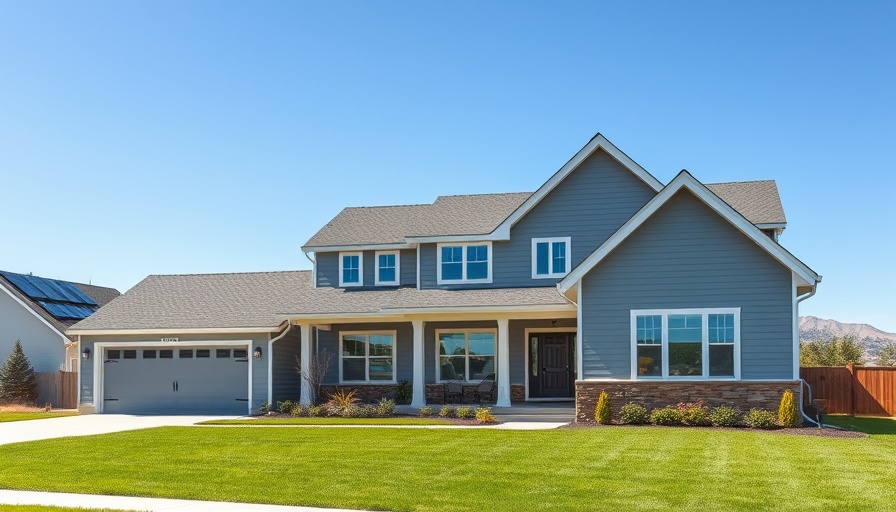
Attractive suburban home ideal for first-time homebuyers.

Your First Step Towards Homeownership

Buying your first home is both thrilling and daunting. It’s a journey filled with emotions and significant decisions. But with informed strategies and adequate preparation, it is possible to make the home-buying process manageable and enjoyable. This guide provides essential tips for first-time homebuyers, allowing you to navigate the complexities from budgeting to closing, with confidence.

Understanding Financial Planning

Before you start browsing homes for sale, it’s crucial to get your finances in order. Here are a few vital steps:

  • Enroll in a Homeownership Course: These courses can clarify the various aspects of homeownership, such as budgeting and mortgage options. Look for HUD-approved providers in your area, as they often provide valuable resources.
  • Explore First-Time Homebuyer Benefits: Programs that help first-time buyers can ease the burden of costs. Local and federal programs offer assistance with down payments, closing costs, and lower interest rates. Investigate options like FHA loans or state-specific assistance to capitalize on available opportunities.
  • Work on Your Credit Score: A higher credit score translates into lower mortgage rates. Regularly check your credit report to dispute inaccuracies and focus on paying down debts to improve your score.

Finding the Right Mortgage

Securing a mortgage is a critical step. Compare rates from multiple lenders to ensure you get the best deal. Remember to look beyond the interest rate; consider other factors such as the Annual Percentage Rate (APR), closing costs, and whether the loan has any hidden fees.

It’s worth noting that some lenders cater uniquely to first-time buyers. They may offer tailored loan products or even pre-approval, which can enhance your standing when house hunting. Websites like Zillow and Redfin can help you compare lender options effectively.

House Hunting in a Hot Market

Once your finances are lined up, it’s time for house hunting:

  • Prioritize Needs Over Wants: Create a list of essential features you need in a home (like the number of bedrooms) versus those that would be nice (like a swimming pool). This helps narrow your search and avoid overwhelm.
  • Use MLS Listings: Reach out to a real estate agent familiar with the local market. They can provide access to the latest MLS listings and offer insight into emerging trends in the area.
  • Attend Open Houses: This allows you to visualize yourself in the space, get a sense of the neighborhood, and ask questions directly to the sellers or their agents.

Closing the Deal

As you get closer to purchasing your new home, understanding the closing process is key. Negotiations can often hinge on contingencies, such as home inspections and appraisals.

Make sure to include a proper home inspection in your contingency plan. This step can save you from unexpected costs later. Additionally, understanding how to handle negotiations effectively can lead to better closing terms, including possibly negotiating the closing costs with the seller.

Putting the Pieces Together

Buying your first home involves balancing many elements, from financial preparations to negotiations. After closing, remember your responsibilities as a homeowner grow beyond payment obligations. From maintaining your property to understanding real estate market trends, continuous education will make a significant difference in your success as a homeowner.

In conclusion, approaching the home buying process with diligence and patience will serve you well. Educate yourself, reach out to professionals, and don’t hesitate to seek advice from friends or family who have successfully navigated the journey before. Understanding the landscape of the real estate market can empower you to make choices that align with your goals.

Call to Action

Now that you’re equipped with essential tips, embrace the journey of homeownership! Connect with a trusted real estate agent today to explore options tailored to your needs. The dream of owning your home can come true—take the first step!

Real Estate News

7 Views

0 Comments

Write A Comment

*
*
Related Posts All Posts
02.06.2026

Enhance Your Home's Curb Appeal: Proven Tips for Real Estate Success

Update The Importance of Curb Appeal in Real Estate First impressions matter, especially in real estate. Curb appeal is the first thing potential buyers notice about a property, often influencing their perception and interest in a home. According to housing market trends, homes with strong curb appeal not only attract more viewers but can also command higher sale prices. When you’re considering a property investment or preparing to list your home for sale, understanding how to enhance curb appeal can set you apart in a competitive market. Designing with Intention: A Cohesive Aesthetic Creating curb appeal begins with intentional design. Kevin Lenhart, a Design Director and Landscape Architect at Yardzen, emphasizes the power of a cohesive look. Instead of splurging on eye-catching features, focus on a balanced aesthetic that complements your home’s style. Each element, from your front door to your landscaping, should work harmoniously. A well-thought-out design attracts buyers, conveying care and attention to detail that can significantly impact marketing efforts on platforms like Zillow and Redfin. Walkway Revitalization for Greater Accessibility The walkway is an essential feature that leads guests—and potential buyers—into your home. A worn-out or uneven walkway can detract from your home’s charm. Brad Allec, Handyman Team Lead from Honey Homes, suggests that simple repairs or a fresh layout can greatly enhance first impressions. A properly-maintained walkway not only boosts safety but can also highlight the overall appeal of your property. Investing time into this element can pay off significantly when it comes time to sell. Landscaping: The Foundation for a Beautiful Exterior Beautiful landscaping plays a vital role in curb appeal. Incorporating elements such as fresh mulch and defined garden beds can instantly make your home look more inviting. For impactful visuals, consider height layering, as Lenhart advises. By strategically placing shorter plants near walkways and taller ones further back, you create a dynamic and professionally styled appearance. Landscaping should be attractive yet low-maintenance, which is an appealing characteristic for potential buyers looking at property listings. Illuminating Your Curb Appeal Outdoor lighting can transform not only the appearance of your home at night but also enhance safety. According to Allec, replacing outdated porch lights with modern, stylish fixtures can refresh an entryway and provide a welcoming glow. Implementing solar-powered or energy-efficient lighting options is not just beneficial for the environment; these choices resonate well with eco-conscious buyers, adding another layer of appeal to your listing. Small Details Make a Big Difference In real estate, it’s often the little things that count. Upgrading worn exterior hardware, like house numbers and door handles, is a quick fix that significantly improves the overall aesthetic. Even in competitive markets where homes are listed on platforms like Trulia and MLS listings, small enhancements can help your property stand out. It demonstrates attention to detail—a quality many buyers appreciate in their pursuit of value. The Role of Curb Appeal in Property Transactions Real estate agents and home buyers alike recognize the importance of curb appeal. For real estate professionals, showcasing these appealing elements can be critical during open houses. A well-maintained exterior speaks to the quality buyers can expect within. Additionally, potential buyers tend to form emotional connections to homes based on their exterior appearance, making curb appeal a vital aspect of effective real estate marketing. Conclusion: Investing in Curb Appeal Curb appeal is not just a buzzword in real estate; it’s a crucial factor that can significantly influence the sale process. From thoughtful landscaping to updated lighting and hardware, the strategies outlined above can improve your home’s first impression and ultimately its value. As you prepare for buying or selling a home, consider how these simple updates may enhance curb appeal and attract more interest in your property. Remember, investing in your home's exterior can lead to a faster sale and potentially a higher price. Take Action: Boost Your Home’s Appeal Today Ready to elevate your home’s curb appeal? Start with small improvements that can yield big results. Whether you're prepping for an open house, working with a real estate agent, or contemplating an investment property, these updates will enhance your home’s attractiveness to potential buyers. Visit popular real estate websites to see how other homes have successfully showcased their curb appeal and get inspired!

02.06.2026

Is a Fixer-Upper Right for You or Should You Choose a Move-In Ready Home?

Update Understanding the Basics: What Defines a Fixer-Upper? When embarking on the adventure of home buying, understanding the differences between a fixer-upper and a move-in ready home is essential. A move-in ready home is essentially a property that requires no significant repairs or renovations, allowing you to move in without delay. This type of home often comes with updated systems—such as plumbing and electrical—while the interiors are typically in good aesthetic condition. Conversely, a fixer-upper is a property that necessitates work before it becomes habitable. This can range from simple cosmetic updates, like painting and flooring, to major renovations involving structural changes or extensive repairs. Pros and Cons: Weighing Your Options Deciding between a fixer-upper and a move-in ready home comes down to evaluating the advantages and disadvantages of each option. On the plus side, fixer-uppers generally come at a lower price point, translating to less competition among buyers. This could allow you to snag a home in a sought-after neighborhood that would otherwise be out of your budget. Additionally, purchasing a fixer-upper provides an opportunity for customization, enabling homeowners to add personal touches to their living spaces. However, it's vital to consider the potential pitfalls. Renovation costs can escalate quickly, often exceeding initial estimates due to unforeseen issues, such as outdated wiring or plumbing that may need replacement. Furthermore, renovation projects tend to extend beyond projected timeframes, potentially leaving buyers juggling living arrangements during the transition. How the Current Real Estate Market Impacts Your Decision The ongoing shifts in the real estate market have a significant bearing on whether to opt for a fixer-upper or a move-in ready home. Currently, many buyers face high home prices and elevated renovation costs. Inventory levels have rebounded from the pandemic's historic lows, leading to more available properties; however, these properties frequently come with steep price tags. Buyers might find themselves needing to carefully assess not just the immediate costs, but also long-term implications for home value and market trends. Smart Strategies for Navigating Home Buying Options Whether entering the rental market or looking for homes to buy, leveraging available tools can make a significant difference. Real estate websites like Redfin, Trulia, and Zillow present a wealth of home listings, providing valuable insights to assist your decision based on real-time data. Moreover, consulting with a qualified real estate agent not only streamlines the process but also offers guidance on market conditions, financing options, and potential investment properties. Investing in Real Estate: The Long Game Real estate investment, whether in a fixer-upper or a move-in ready home, is about strategic decision-making. By purchasing a fixer-upper, there is potential to build equity through renovations, ultimately leading to increased property value over time. It also opens opportunities to connect with the community and enhance local real estate market dynamics. For buyers looking to invest, understanding neighborhood trends and prices will play a critical role in maximizing potential ongoing return on investment. Alternatively, buying a move-in ready home can provide peace of mind, knowing that immediate repairs will not pose potential issues down the line. Emotional Considerations: Which Represents You? Beyond the practical aspects, consider the emotional lens through which you view homeownership. A move-in ready home may symbolize stability and simplicity, attracting buyers who prefer immediate comfort without the hassle of renovations. On the other hand, a fixer-upper can be seen as a canvas—a unique opportunity to create a personalized sanctuary tailored to your tastes. This option is particularly appealing to those who relish the idea of turning a house into a home through thoughtful renovations. Ultimately, whether you decide to invest in a fixer-upper or opt for a move-in ready home, the key is to fully assess your personal circumstances, preferences, and financial situation to make the best possible choice. If you're ready to dive into the real estate market, consider engaging with an expert real estate agent today. With the wealth of options available, discovering the right home for you is just a step away. Make informed decisions that align with your goals!

02.06.2026

26 Essential Home Inspection Tips Every Buyer Should Know

Update Understanding Home Inspections: What You Need to Know Buying a home can be a thrilling experience, filled with dreams of new beginnings and fresh starts. However, mixed in with the excitement is the weight of responsibility, as what may look perfect on the surface could be hiding costly issues beneath. This is where a comprehensive home inspection comes into play. The details that come out during this essential process can heavily influence not only your peace of mind but also your financial prospects post-purchase. Knowing what to look for in a home inspection can empower you to make informed decisions. The Scope of Home Inspections: What Inspectors Look For A typical home inspection assesses major areas of a property for both functionality and potential safety concerns. Inspectors focus on critical components like: Roofing and exterior: They check for any visible damage, leaks, or wear that could threaten the home’s integrity. Foundation and structural integrity: Inspectors look for cracks or shifting that could indicate serious problems. Systems: This includes plumbing, electrical systems, heating, and HVAC operation. Insulation and ventilation: Areas such as attics, crawl spaces, and basements warrant careful checks for moisture, which could lead to secondary issues like mold. Safety concerns: Identifying fire hazards, gas leaks, and unsafe wiring is crucial for homeowner safety. Michael Spaargaren of First Choice Inspectors reminds us that inspections reveal not just cosmetic flaws but also hidden problems like water leaks and damaged systems that can be overwhelmingly costly long-term. Preparing for Your Inspection: Key Tips for Home Buyers Before your inspection day, preparation is vital. Take time to thoroughly vet potential inspectors. Since requirements can vary by state, it’s essential to choose licensed professionals who meet local standards. Inspector credentials might include memberships in well-respected professional organizations like ASHI or InterNACHI. Utilize tools like HomeGauge for locating qualified inspectors in your area. Be sure to set aside sufficient time on the day of the inspection to avoid rushing, as reports can often take several hours to compile. Bring comfortable clothing suitable for exploration and, if possible, arrange for childcare. During the Inspection: Engage and Learn Your presence during the inspection is more than just passive observation; it is an opportunity to engage, ask questions, and clarify findings. The inspector can help highlight issues and recommend further evaluations if necessary. Understanding the specific problems they identify allows buyers to gauge what might require immediate attention and what can wait. Post-Inspection: What Comes Next? After the inspection report is in hand, carefully review all findings. Pay particular attention to high-priority issues that must be addressed for safety and functionality. This can include problems with the foundation, significant leaks, or electrical hazards. Use this information in negotiations—whether it’s to request repairs, negotiate price adjustments, or seek credits to address issues post-purchase. Also, it’s advisable to utilize the Create Request List™ (CRL™) feature often available with inspectors using HomeGauge software to streamline communication with sellers regarding necessary repairs. Common Misconceptions About Home Inspections Many buyers mistakenly believe that a home inspection guarantees there are no issues with the property. In actuality, while inspectors strive to uncover problems, they cannot account for everything. Issues can arise post-inspection, and liability should not be placed solely on the inspector’s shoulders. Buyers are encouraged to take proactive steps in their home maintenance moving forward. Conclusion: Empower Yourself with Knowledge Crossing the threshold into homeownership should feel empowered, not overwhelming. A home inspection can reveal more than just the aesthetic condition of your new home; it can expose hidden dangers and future costs that otherwise might come as a nasty surprise. By following these guidelines and being actively involved throughout the inspection process, you can ensure that you are making the best investment for your family’s future. Whether you’re browsing listings on Redfin, Zillow, or your favorite real estate websites, your due diligence begins with understanding the property you are about to call home. Remember, knowledge is your best asset in house hunting.

Terms of Service

Privacy Policy

Core Modal Title

Sorry, no results found

You Might Find These Articles Interesting

T
Please Check Your Email
We Will Be Following Up Shortly
*
*
*