Add Row
Add Element
cropper
update
Marin Home Ideas
update
Add Element
  • Home
  • Categories
    • Home Remodeling Ideas
    • Interior Design & Decor Ideas
    • Gardening & Landscaping Ideas
    • Outdoor Living & Entertaining
    • Health & Wellness at Home
    • DIY at Home
    • Kitchen Ideas
    • Bedroom Ideas
    • Bath Ideas
    • Cooking at Home
    • Home Office Ideas
    • Lighting Ideas
    • Furniture Ideas
    • Architecture Ideas
    • Senior Living at Home
    • Home Finance
    • Real Estate News
July 23.2025
2 Minutes Read

Exploring the Challenges: 10% of Orlando Homes Risk Selling at a Loss

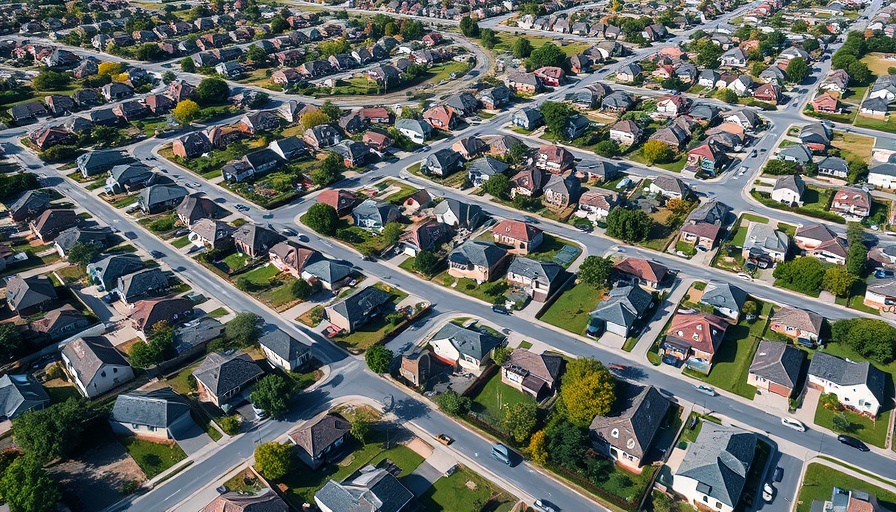
Aerial view of suburban homes for sale with clear sky.

Is Orlando’s Housing Market Really in Trouble?

As Orlando's housing market cools, a staggering 10% of home listings are at risk of selling at a loss. This represents a significant increase from only 3.5% last year. Where does this leave sellers, buyers, and the broader trends sweeping through the Sunshine State? A closer look reveals how recent events have shaped Orlando's real estate landscape and what it means for those involved.

The Changing Dynamics: Who is Most Affected?

The sharp rise in potential losses isn’t uniform across all homeowners. Buyers who purchased homes post-pandemic are feeling the brunt of this financial pinch. Approximately 32% of these sellers may face selling at a loss, marking the third-highest rate in the nation. By comparison, only 1% of sellers who bought pre-pandemic are at risk — a stark reminder of the volatility in today’s market.

Orlando vs. Other Major Markets

What sets Orlando apart from other metropolitan areas? Unlike cities like Austin, which have seen significant drops in home prices, Orlando's median sale price has shown resilience, climbing to $420,000 in May 2025. But why the difference? Economic forecasts reveal a complex interplay of rising costs, climate concerns, and shifting buyer priorities that contribute to this ongoing challenge for sellers.

The Broader Economic Impact

The evolving trends in Orlando reflect a national pattern within the Sun Belt. As buyer-friendly conditions continue to develop, sellers must navigate an increasingly competitive landscape. The rising costs associated with climate risks and insurance is further complicating the equation. Checking real estate listings on platforms like Redfin and Zillow indicates a slowdown in purchasing activity, ultimately leading to fewer sales but still pressing sellers to consider their next move carefully.

Creative Solutions for Sellers Facing Financial Loss

Though many might assume they are forced to sell at a loss, sellers in Orlando are adopting innovative strategies. Instead of hastily reducing prices or accepting low bids, more homeowners are choosing to hold off or even turn to rental markets. With so many apartments for rent and houses available for rent in desirable areas, homeowners are shifting their approach to maintain their investment’s value while waiting for the market to turn in their favor.

Future Predictions: What Lies Ahead for Homeowners?

The outlook for Orlando's housing market remains uncertain. If prices do adjust downward, as forecasted, more sellers could find themselves facing loss. While national trends reflect a cautious optimism, local dynamics will ultimately dictate how Orlando’s market evolves. Homeowners should remain vigilant and informed about potential market shifts while considering their real estate goals.

Conclusion: What Should You Do?

As the market continues to cool, clarity and proactive decision-making become crucial for Orlando's sellers. If you find yourself in the housing market, whether buying, selling, or investing, understanding the current trends is essential. The data clearly shows that informed decisions will outweigh impulsive ones. Explore your options with a qualified real estate agent today!

Real Estate News

11 Views

0 Comments

Write A Comment

*
*
Related Posts All Posts
12.18.2025

Why Real Estate Professionals Must Prioritize Stucco Inspections

Update Understanding the Importance of Stucco Inspections When it comes to home buying or ownership in regions where stucco is common, such as Tucson, AZ, or Albuquerque, NM, a stucco inspection plays a crucial role in safeguarding your investment. Unlike standard home inspections that provide a broad overview, a specialized stucco inspection identifies hidden issues that could lead to costly repairs later down the road. In essence, it's an essential component of due diligence for prospective homeowners and current owners alike. What Makes a Stucco Inspection Unique? A stucco inspection differs fundamentally from a general home inspection. While the latter may glance at the exterior condition, the former delves into the specifics of the stucco's performance as a moisture barrier. Inspectors look for signs of water intrusion, such as cracks, mold, and discoloration, which are all indicators of potential damage that standard inspectors might miss. This specialized check often includes non-invasive testing, such as moisture detection and thermal imaging, to ensure all bases are covered. Signs You May Need a Stucco Inspection It’s essential to recognize the signs that indicate the need for a stucco inspection. Homeowners should watch for visible cracks, soft or bulging spots, and drainage issues that could compromise the material's integrity. More subtly, signs such as fogged windows, peeling paint, and discolored walls could signal underlying moisture problems. If any of these issues arise, seeking a stucco specialist is advisable to prevent small problems from blossoming into large and costly repairs. The Benefits of Proactive Inspections Regular inspections not only protect your home but can save homeowners money in the long run. By catching early signs of damage, homeowners can address minor repairs before they escalate. For potential buyers, a stucco inspection can provide peace of mind and leverage in negotiations, helping them avoid inheriting costly issues from the previous owner. Real estate experts, including realtors and home inspectors, often encourage buyers to make stucco inspections a part of their purchasing checklist in order to safeguard their investment. Cost and Duration of Stucco Inspections The cost of a stucco inspection can vary significantly based on factors such as the level of inspection required (basic versus invasive), the home's size, and regional pricing. On average, you can expect to pay anywhere from $400 to $1,500. In terms of time, most inspections can be completed within 1 to 3 hours, with reports typically delivered within 24 to 48 hours thereafter. This relatively quick process can give potential buyers the insight they need without dragging out the closing process. Next Steps After the Inspection Once the inspection is complete, homeowners or buyers should carefully evaluate the findings. Depending on the inspector's report, options may range from simple patchwork repairs to extensive remediation work involving complete exterior replacement. It's critical to consult with qualified contractors to understand repair costs and timelines, as addressing issues sooner rather than later can prevent more severe complications. For current homeowners, maintaining regular inspections every 3 to 5 years is vital for long-term health and durability of the stucco. FAQs About Stucco Inspections 1. How often should I get my stucco inspected? Regular inspections should ideally be conducted every 3-5 years, or sooner if your area experienced severe weather. 2. Are stucco repairs covered by homeowners insurance? Coverage can vary; check your policy for specifics regarding moisture damage versus maintenance issues. 3. Can I paint over stucco after repairs? Yes, once repairs are cured, it's possible to paint over to match the exterior. Conclusion: Don’t Overlook the Importance of Stucco Inspections A stucco inspection is more than just a precaution; it's a critical measure for preserving your home’s value and functionality. For real estate professionals and homeowners alike, understanding the health of your stucco can empower decision-making throughout the buying or selling process. Don’t hesitate to schedule an inspection and keep your property’s exterior in top shape, ensuring it stands resilient against the elements.

12.18.2025

Unlocking Homeownership: 6 Strategies to Reduce Closing Costs

Update Understanding Closing Costs: What Exactly Are They? Closing costs are an inevitable part of any property purchase, sometimes amounting to thousands of dollars. These fees range from 2% to 6% of the total loan amount, which often catches first-time homebuyers off guard as they prepare to close on their new home. Common closing costs include application fees, title insurance, appraisal fees, and taxes, among others. Understanding these costs and their allocations can empower buyers to better manage their finances during a significant investment. Can Closing Costs Actually Be Waived? Despite what it might sound like, closing costs aren't usually "waived" but are instead covered through various strategies. These strategies include seller concessions where the seller agrees to absorb some costs or lender credits wherein buyers slightly increase their interest rate to reduce upfront fees. This nuanced understanding is essential for buyers to navigate negotiations effectively. Six Strategies to Lower Your Closing Costs Here are six effective strategies that buyers can employ to lower the cost burden : Negotiate Seller Concessions: It can be beneficial for buyers to negotiate with sellers to pay part of the closing costs. This is more effective in a buyer's market or if the property has been on the market for an extended period. Utilize Lender Credits: Some lenders offer credits to offset closing costs. In return, buyers agree to a slightly higher interest rate. This can help if cash flow is tight, but buyers should weigh the long-term costs of a higher interest rate. Roll Closing Costs into the Mortgage: Certain loan programs allow buyers to finance their closing costs, which increases the overall loan amount but alleviates the upfront financial burden. Explore Closing Cost Assistance Programs: Buyers may qualify for assistance programs provided by local or state entities. These often come as grants or forgivable loans tailored to first-time homebuyers. Comparison Shopping: Just as one would shop for the best price on a vehicle, it’s prudent to shop around for services like title insurance, appraisal, and inspection to find the best rates and save on overall fees. Choose the Right Closing Date: Scheduling closing toward the end of the month can minimize prepaid interest, lowering the out-of-pocket expenses at the time of closing. Why These Strategies Matter to Buyers With the rising costs of homes in today's competitive markets, the financial challenges of homebuying can feel overwhelming. By strategically applying these tactics, buyers can protect their financial health and achieve the dream of homeownership without crippling debt from the outset. Future Trends in Closing Costs The landscape of real estate transactions is evolving. Emerging trends suggest a growing prevalence of technology-driven solutions like online platforms that facilitate lower-cost closing options. As buyers become more informed and regulatory frameworks evolve, it’s plausible that closing costs might decrease, providing greater accessibility to homeownership. Making the Most of Your Home Purchase Engaging with a knowledgeable real estate agent can significantly ease the transaction and negotiation process. With expert guidance, buyers will learn how to approach closing cost discussions to optimize their investment while exploring available resources and assistance programs. Conclusion: Take Action! As the housing market continues to evolve, leveraging knowledge and utilizing these strategies can empower buyers to navigate purchasing challenges. Engage your real estate agent today to explore your options for reducing closing costs as you embark on the journey toward homeownership.

12.18.2025

Portable Mortgages: A Game-Changer for Real Estate Mobility?

Update The Rise of Portable Mortgages: A Solution to Housing MobilityAs interest rates soar and housing inventory remains stifled, the concept of portable mortgages is gaining traction in discussions among real estate professionals and policymakers. These innovative loans, which allow homeowners to transfer their mortgage from one property to another, may provide a much-needed solution to the current housing mobility crisis in the United States. The Federal Housing Finance Agency (FHFA) is now evaluating the feasibility of implementing such a system, drawing inspiration from successful models in Canada.Understanding Mortgage PortabilityA portable mortgage enables homeowners to carry their existing mortgage—including interest rates, balance, and terms—when moving to a new property. For example, a homeowner with a favorable 3% fixed-rate mortgage could retain this advantage while purchasing a new house, sidestepping the need to refinance at current, higher rates. This would help mitigate a prevalent concern among homeowners today: the 'lock-in effect,' which discourages movement and perpetuates low housing inventory levels.The Current Housing Market LandscapeThe U.S. housing market faces unique challenges marked by high interest rates, a historically low mobility rate, and chronic inventory shortages. According to recent data, many homeowners are hesitant to sell due to the fear of missing out on their existing low mortgage rates. The suggestion of portable mortgages could catalyze a shift in this landscape, unlocking inventory and promoting a more fluid market.The Benefits of Portable MortgagesProponents of portable mortgages argue they could alleviate the constraints on housing inventory. By allowing homeowners to move without sacrificing favorable financing terms, more properties could potentially enter the market, helping to meet the ongoing demand for residential homes. Benefits include:Maintain your existing interest rateAvoid hefty prepayment penaltiesRetain the same loan terms and amortization scheduleContinue working with a trusted lenderConcerns and Possible ConsequencesWhile the idea of portable mortgages looks promising, it also raises several concerns. Financial experts caution that without careful implementation, portability could exacerbate existing disparities in the housing market. Homeowners fortunate enough to have low-rate mortgages might gain an unfair advantage over first-time buyers or those trying to enter the market, potentially widening the gap between existing homeowners and newcomers. Additionally, the U.S. mortgage system relies heavily on the current structure of mortgage-backed securities, which would face significant adjustments to accommodate portability. Critics suggest that this could lead to elevated risks for investors and complicate the market.The Role of the Federal Housing Finance AgencyThe FHFA is presently conducting research to assess the impact of portability on housing dynamics. Discussions include determining how to implement a portable mortgage system without raising rates on new loans and evaluating its influence on first-time buyers. As government entities continue to explore these innovative solutions, real estate professionals and homeowners alike should stay informed about potential changes on the horizon.Practical Tips for HomeownersIf portable mortgages come to fruition, there are several proactive steps homeowners might consider:Keep an eye on policy updates from the FHFA.Consult regularly with lenders about current mortgage options.Weigh the pros and cons of portability against refinancing to find the best long-term solution.Conclusion: A Step Towards Greater MobilityIn theory, portable mortgages could open doors for homeowners feeling trapped by their current mortgage rates, facilitating movement across the housing market. While this innovative solution may not answer every question about housing affordability, it marks a significant step toward increasing mobility and potentially resolving the persistent inventory issues that grip many neighborhoods today. As homeowners await regulatory decisions, they can take actionable steps to prepare for an evolving real estate landscape.For those navigating the complexities of the real estate market, whether buying or selling, connecting with a knowledgeable real estate agent can provide tailored strategies to optimize your housing journey.

Terms of Service

Privacy Policy

Core Modal Title

Sorry, no results found

You Might Find These Articles Interesting

T
Please Check Your Email
We Will Be Following Up Shortly
*
*
*