Add Row
Add Element
cropper
update
Marin Home Ideas
update
Add Element
  • Home
  • Categories
    • Home Remodeling Ideas
    • Interior Design & Decor Ideas
    • Gardening & Landscaping Ideas
    • Outdoor Living & Entertaining
    • Health & Wellness at Home
    • DIY at Home
    • Kitchen Ideas
    • Bedroom Ideas
    • Bath Ideas
    • Cooking at Home
    • Home Office Ideas
    • Lighting Ideas
    • Furniture Ideas
    • Architecture Ideas
    • Senior Living at Home
    • Home Finance
    • Real Estate News
August 05.2025
3 Minutes Read

Mastering DIY Home Improvement: How to Install a Floor Transition Strip

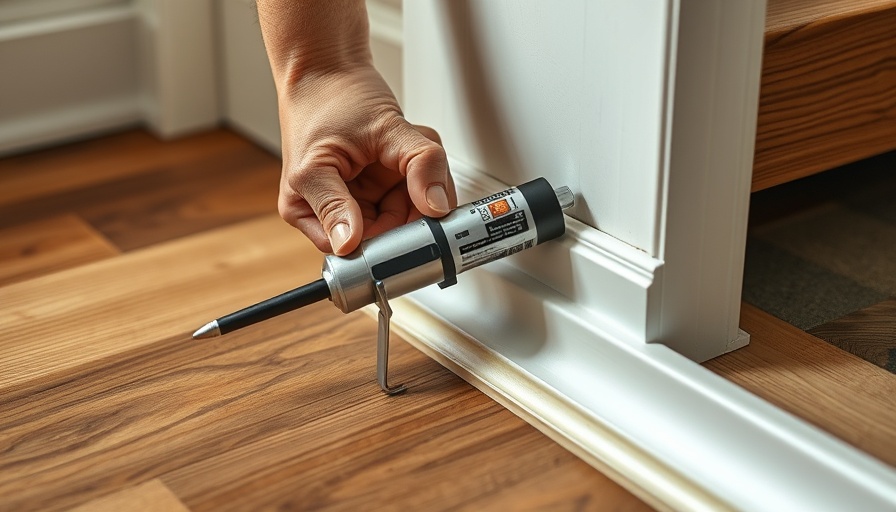
Close-up DIY home improvement with caulking gun sealing floor.

The Importance of Choosing the Right Floor Transition Strip

When embarking on a home improvement journey, floor transition strips often go unnoticed until they pose an issue. The right transition strip is crucial not just for aesthetics, but for safety. Transition strips serve as vital connectors between different flooring types, ensuring smooth movement and reducing tripping hazards. If you're contemplating a DIY project that involves new flooring, it’s essential to choose the right profile to suit the specific needs of your space.

Understanding Different Types of Transition Strips

Floor transition strips come in various forms, primarily split into three categories: thresholds, T-moldings, and reducers. Thresholds are used in situations where flooring heights match, acting as a smooth bridge across doorways. T-moldings work well when flooring of the same height meets at different angles or materials. Finally, reducer moldings are specifically designed to handle variations in height, creating smooth ramps from higher floors to lower ones, which is especially critical in avoiding falls.

Step-by-Step Guide to Installing Your Transition Strip

Equipped with the right tools and a good understanding of your specific flooring needs, you can follow these steps to successfully install a transition strip:

  1. Choose Your Transition Strip: Consider the style and material that coordinates with your flooring. Options include wood, metal, and plastic.
  2. Measure for Accuracy: Use a measuring tape to determine the length needed for the transition. Precision is vital to avoid gaps or overlaps.
  3. Cut Accordingly: Once measured, proceed to cut the transition strip using a jigsaw or hand saw. Ensure a clean cut for optimal installation.
  4. Install with Care: Depending on your chosen type, use adhesive, nails, or other methods to secure the strip in place. Pay attention to alignment to maintain a neat finish.
  5. Finishing Touches: Once installed, check for any irregularities. A clean, blended transition enhances the look of your entire flooring project.

Benefits of Installing Floor Transition Strips

Not only do transition strips enhance the aesthetic appeal of your floors, but they also play a pivotal role in maintenance. By creating a seamless flow between different flooring types, they can prevent dust buildup and make cleaning easier. Choosing a strip that matches your flooring color can create a cohesive unit, while incorporating practical design aids safety.

DIY Home Improvement: Embracing Your Creativity

The beauty of home renovation lies in its DIY aspect. Taking on a project like installing a floor transition strip can inspire confidence and creativity. Whether you’re enhancing your living room or updating your office space, there are plenty of DIY home improvement projects that allow you to express personal style while also boosting the home's overall value.

Challenges and Solutions in DIY Flooring Projects

DIY projects can present unforeseen challenges, like instructions that feel ambiguous or the need for unexpected tools. For instance, if your flooring displays varying heights, you might feel at a loss. However, tools like oscillating multi-tools can offer the precision you need for a clean install. Additionally, many online resources provide community support and tutorials that can guide you through tricky tasks.

Future Insights: Trends in DIY Flooring Solutions

As DIY culture continues to evolve, so do the materials and methods available. The shift towards sustainable living advocates for using eco-friendly materials in home improvement projects. With an increase in awareness towards sustainable choices, homeowners are more inclined to opt for materials that are both stylish and ethically sourced. Keeping an eye on these trends can help inform your choices, ensuring your home's design remains current.

Starting your DIY journey with flooring transition strips opens a door to enhanced decor and functionality. Each step taken adds not just value to your home, but they also enrich your experience in improving your living space. Don’t hesitate to take that leap into home improvement—your dream space awaits!

DIY at Home

9 Views

0 Comments

Write A Comment

*
*
Related Posts All Posts
11.14.2025

Confused About Red Light Laws? Here's What Every Driver Must Know

Update Navigating Red Light Laws: What Every Driver Should Know Red light laws can feel bewildering, especially for those who often find themselves at busy intersections wondering whether to stop, turn, or wait. Understanding these laws is essential for maintaining safety on the road and ensuring smooth traffic flow. Here’s a comprehensive guide to navigating red light regulations across the United States. Can You Turn Right on Red? The National Perspective No doubt, many drivers have encountered the question: Can you turn right on red? The good news is that in most U.S. states, you can legally make that right turn after coming to a complete stop. However, there are some intricacies involved. According to the California Driver’s Handbook, you can turn right on red unless there’s a sign indicating otherwise. This law is pivotal as it allows for more efficient traffic management but also demands that drivers be vigilant, yielding to pedestrians and cyclists before making the turn. Moreover, states like California, Oregon, and Washington even allow left turns from one-way streets to another. However, it’s crucial to note that these rules can vary widely, and familiarity with your local laws could make a significant difference in your driving experience. Understanding Blinking Lights: Your Safety Signals A common confusion for many drivers comes from the interpretation of blinking red traffic lights. While they might be mistaken for a cautionary signal, a blinking red light actually indicates that you must come to a full stop, similar to a stop sign. This simple rule can prevent potential accidents and ensure safety at intersections. As long as the way is clear, you can proceed, but it's vital to prioritize safety by properly assessing the situation before moving forward. Who is Allowed to Run a Red Light? Emergency Exceptions Explained Running a red light is generally illegal and a significant traffic violation, except for emergency vehicles that are responding to active incidents. This includes police, fire trucks, and ambulances that are using flashing lights and sirens. Understanding this exception is crucial, especially in densely populated areas where emergency vehicles need to navigate through traffic quickly. However, even for these vehicles, caution is mandatory. Community awareness can contribute enormously to a safer driving environment for all The Rules of Red Lights on Your Vehicle Could you imagine driving a non-emergency vehicle equipped with red and blue flashing lights? It turns out, this is illegal in most circumstances. These colors are specifically designated for emergency responders to help them stand out in traffic and signal urgency. Misuse of colored lights on personal vehicles could confuse other drivers, leading to potentially dangerous situations on the road. Staying informed about what is permitted on your vehicle not only contributes to road safety but also fosters greater understanding among drivers. The Importance of Regional and Local Traffic Rules Traffic laws can vary dramatically from one state to another. This variability emphasizes the importance of being aware of specific regulations in your locality. Did you know that laws about turning right on red, for instance, can differ dramatically between major metropolitan areas and rural settings? Engaging with your state’s driver handbook or local governing body can provide clarity and prevent mishaps due to misunderstandings about local rules. As road safety continues to gain attention, engaging in discussions about traffic laws is more important than ever. Drivers can promote awareness and understanding by sharing knowledge about red light laws, making our communities safer for everyone. In conclusion, whether you’re navigating a busy intersection or considering modifications to your vehicle, being informed about red light laws can lead to a safer driving environment. Take the time to familiarize yourself with your state’s regulations and share this knowledge with fellow drivers. These simple steps can contribute significantly to safer roads.

11.13.2025

Why Your Tire Pressure Light Won’t Turn Off: Understand It Now!

Update Understanding the Tire Pressure Monitoring System (TPMS) The Tire Pressure Monitoring System, or TPMS, is an essential safety feature in modern vehicles. It's designed to alert drivers when tire pressure gets too low, potentially preventing tire blowouts and ensuring optimal vehicle performance. When the TPMS light illuminates on your dashboard, it’s a sign that one or more of your tires are under-inflated, which generally signifies a pressure drop beyond 10 to 25 percent of the recommended PSI, depending on your vehicle model. Common Reasons for a Persistent TPMS Light Despite your best efforts to maintain proper pressure, it's frustrating when the TPMS light remains illuminated. Several factors can cause this, including: Sensor Issues: TPMS sensors are usually located on the wheel rim, and they can malfunction or even run out of battery. When this happens, the system may not register the correct tire pressure, keeping the warning light active. Temperature Fluctuations: Dramatic temperature changes can affect tire pressure—the colder it gets, the lower your tire pressure may drop, potentially triggering the warning light. Spare Tire Issues: If you've recently installed a spare tire, it’s important to note that many temporary spares lack TPMS sensors. This discrepancy could cause the TPMS to remain lit until resolved. Checking and Adjusting Your Tire Pressure To rectify the situation, the first step is to check your tire pressure manually. Use a tire pressure gauge, which can provide accurate readings. Remember to consult the pressure recommendations usually found on a label inside the driver’s door. When to Seek Professional Help If the TPMS light doesn't turn off after inflating your tires and ensuring everything is functioning correctly, it might be time to visit a mechanic. The problem could be a faulty sensor or wiring issue that requires professional diagnostic tools. Fortifying Your Knowledge of Tire Maintenance Understanding tire maintenance goes beyond just inflating tires. Regular tire pressure checks—ideally once a month—and before long trips are crucial. This not only improves gas mileage but also extends the life of your tires, enhancing your overall safety on the road. Conclusion: Empower Yourself with Tire Knowledge In a world where automotive technology is advancing, staying informed about your vehicle's features is vital. Don’t let a simple issue like an illuminated TPMS light overwhelm you; understanding its causes and resolutions can keep you safe. Take a proactive approach to tire maintenance today, and ensure your vehicle is always ready for the road ahead!

11.13.2025

The Truth About Driving Footwear: Is Barefoot Driving Safe and Legal?

Update Understanding the Myths: Can You Really Drive Barefoot? Despite popular belief, there is no law in any state that prohibits driving without shoes. In fact, a polling effort in the 1990s confirmed this fact across all 50 states. However, just because it's legal doesn't necessarily mean it's a good idea. Authorities emphasize that common sense should prevail when it comes to footwear choices while driving. Driving barefoot can arguably provide a better feel for the pedals, enhancing driver control, provided that safety precautions are taken to minimize slipping, especially in wet conditions. The Risks of Driving in Inappropriate Footwear Driving is a critical activity that demands full attention and control. The type of footwear can significantly influence your ability to respond quickly. For instance, flip-flops and high heels can become liabilities; they can slip off easily or get caught on the pedals, which could hinder your reaction time in an emergency. Some states, including Utah, have recommended that drivers wear shoes as cautionary advice rather than a legal requirement. It’s startling to learn that nearly 3,500 people died in motor vehicle accidents in 2021—many of these incidents tied to loss of vehicular control. Thus, selecting safe driving footwear can significantly mitigate these risks. Choosing the Right Shoes for Safe Driving In terms of safe driving footwear, options like snug sneakers or flat boots often provide the best balance of comfort and control. Their closed design keeps your foot securely on the pedal while allowing for optimal feedback, enhancing your responsiveness on the road. On the contrary, consider avoiding thick-soled shoes such as heavy hikers or platform shoes, which can dull pedal sensitivity—think of them as removing your connection with your vehicle when you need it the most. Practical Tips for Footwear Safety While Driving Here are some practical tips to ensure that your choice of footwear complements your driving experience: Store a pair of suitable driving shoes: Keep a comfortable pair of low-profile shoes within reach in your vehicle. Consistency in your choice can lead to better driving performance. Test your shoes: Before starting your journey, make sure to press the brake and accelerator pedals to check for any snags or slips. Dry your feet: If you've been exposed to wet environments, ensure you dry your feet thoroughly to prevent slipping off the pedals. Looking at Future Trends in Road Safety Practices The future of driving safety will likely focus more on how footwear impacts safety on the road. As education campaigns increase awareness about the implications of footwear while driving, we may see more advocacy for sensible shoe choices. Car manufacturers might even begin to incorporate technology that helps educate drivers about safe footwear practices. Imagining cars equipped to remind drivers to check their shoes before hitting the road isn’t too far-fetched! Conclusions: Make Informed Choices Ultimately, the choice of footwear for driving is one that commands attention, awareness, and an element of common sense. While driving barefoot is legal, it's not always advisable. Prioritize safety over comfort and ensure that your footwear supports your driving responsibilities. By making informed decisions, drivers can take proactive steps toward creating a safer driving environment for themselves and others. Take Action for Safer Roads Are you ready to re-evaluate your driving footwear and ensure safe driving practices? Stay with us for more tips on how to enhance your well-being and decision-making on the road. Let's embrace safer driving together and explore further insights on personal safety!

Terms of Service

Privacy Policy

Core Modal Title

Sorry, no results found

You Might Find These Articles Interesting

T
Please Check Your Email
We Will Be Following Up Shortly
*
*
*