Add Row
Add Element
cropper
update
Marin Home Ideas
update
Add Element
  • Home
  • Categories
    • Home Remodeling Ideas
    • Interior Design & Decor Ideas
    • Gardening & Landscaping Ideas
    • Outdoor Living & Entertaining
    • Health & Wellness at Home
    • DIY at Home
    • Kitchen Ideas
    • Bedroom Ideas
    • Bath Ideas
    • Cooking at Home
    • Home Office Ideas
    • Lighting Ideas
    • Furniture Ideas
    • Architecture Ideas
    • Senior Living at Home
    • Home Finance
    • Real Estate News
September 09.2025
3 Minutes Read

Ryobi Pressure Washer Recall: Essential Safety Measures You Need to Know

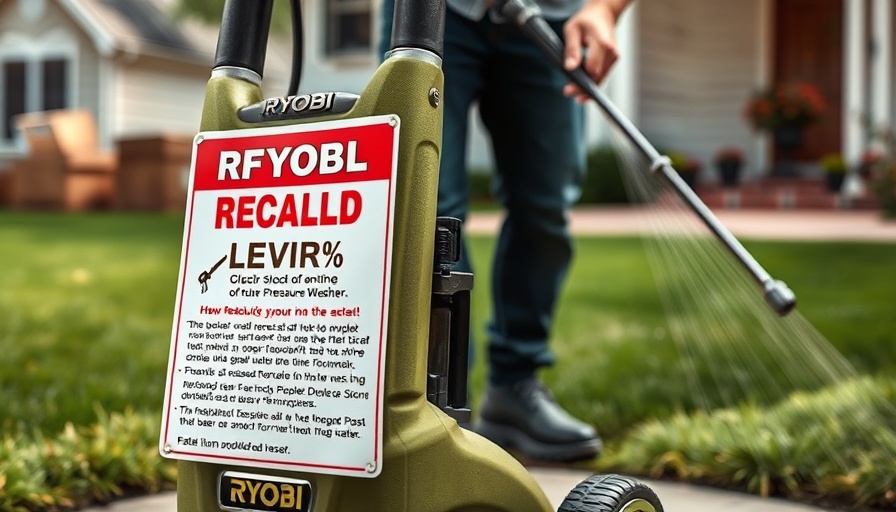
Ryobi pressure washer with recall notice in an outdoor setting

Urgent Recall Alert: Handling the Ryobi Pressure Washer Risk

The United States Consumer Product Safety Commission (USCPSC) has announced a significant recall involving over 750,000 Ryobi pressure washers due to serious safety issues stemming from defective capacitors. This recall highlights the importance of safety awareness when using DIY home improvement tools, particularly when monsoon seasons bring about higher cleaning demands. Here’s what you need to know to navigate this situation safely.

What’s at Stake with the Defective Pressure Washers?

The problem with these Ryobi pressure washers is alarming—the capacitors can overheat and burst, ejecting dangerous parts that can injure users and bystanders alike. TTI Outdoor Power Equipment, the parent company of Ryobi, reports shocking statistics: 135 incidents of overheating capacitors, including 41 resulting in explosions, have been recorded and have caused over 32 reported injuries, ranging from fractures to serious eye injuries.

Identifying the Recalled Models: Protect Yourself and Your Home

If you have a Ryobi brushless electric pressure washer, models RY142300 or RY142711VNM, produced between July 2017 and June 2024, it’s critical to assess your device. The units are identifiable by their green exteriors and certain features, such as the spray nozzle and a blue cap on the detergent tank. For those who purchased them from Home Depot or Direct Tools Factory Outlet, either online or in-store, it’s time to be extra vigilant.

Steps to Take: Repair and Prevention

The USCPSC urges customers to stop using these pressure washers immediately and visit Ryobi’s recall website to confirm eligibility for a repair. Fortunately, Ryobi is offering a repair kit free of charge, which includes a replacement capacitor and provides easy-to-follow installation instructions. If you lost your purchase receipt, there’s no need to worry—proof of purchase is not required for obtaining the repair kit.

Safety First: The Importance of Keeping a Safe Home

As more people embrace DIY home projects, understanding the safety features and risks associated with the tools we use is essential. While pressure washers are fantastic for tackling outdoor cleaning jobs—from sprucing up your patio furniture to revitalizing your home’s siding—they can present significant risks when faulty. Remember that engaging in home repair and cleaning projects should encompass not only aesthetics and efficiency but also, most importantly, safety.

Stay Informed: The Role of Community Awareness

Aside from following the recall instructions, consider spreading the word among family and friends. This information serves as a vital reminder to remain vigilant about product safety in our DIY endeavors. Sharing personal experiences and insights around safety measures can strengthen community awareness and foster a culture of safety.
It’s also worthwhile to stay updated on recalls and safety warnings through reliable sources like the USCPSC's website, which is a reputable platform for consumer safety information.

Looking Beyond: Future Predictions in DIY Safety

As DIY home improvement projects gain tremendous popularity, we can expect more innovations in safety features in future tools. Monitoring how manufacturers respond to safety recalls and addressing design flaws will be pivotal in ensuring consumer trust. Tools equipped with features that minimize risks during operation will undoubtedly become the gold standard for safety-conscious consumers.

Final Thoughts: Be a Proactive DIY Enthusiast

Exploring DIY home improvement can be immensely rewarding. However, it should never come at the risk of your safety. By understanding product risks, actively participating in recalls, and sharing knowledge with your community, you can enjoy your DIY projects while ensuring that you and those around you remain safe. It’s time to assess your pressure washer and promote a culture of responsible DIY home care!

DIY at Home

1 Views

0 Comments

Write A Comment

*
*
Related Posts All Posts
12.18.2025

Ducati Wheel Lockup Risk: What It Means for Motorcycle Safety

Update Why Safety Matters: The Implications of the Recent Ducati Recall Motorcycling is more than a hobby; for many, it's a passion that intertwines with freedom and adventure. But with the thrill of riding comes serious safety responsibilities. The recent recall of over 1,000 Ducati motorcycles, including the popular 2025 Panigale V2 and Streetfighter V2 models, highlights a critical safety concern: the risk of wheel lockup, a potential consequence of improperly installed ABS system fuses. This problem not only compromises control but can also lead to severe accidents. Understanding the Recall: What Happened at Ducati According to the National Highway Traffic Safety Administration (NHTSA), the issue arises from a supplier error during assembly, where 25A and 10A fuses intended for the ABS pump and control unit, respectively, were swapped. This alteration can inhibit the operation of the ABS, which is crucial for maintaining control during sudden braking. Riders might experience illuminated warning lights on their instrument panels, signaling a malfunction that could result in catastrophic consequences if not addressed. The Affected Models: Are You Riding a Recall Bike? Approximately 1,016 motorcycles from the production lines of 2025 and 2026 are impacted by this recall. Motorcycle owners will be directly notified of the recall via mail and can also check their Vehicle Identification Number (VIN) on the NHTSA website to confirm if their motorcycle is part of the affected batch. It's crucial for owners of the Panigale V2 and Streetfighter V2 models to remain vigilant to ensure their safety. Next Steps: How Ducati Plans to Resolve the Issue Once the recall notices go out, Ducati has outlined a clear process for rectifying the issue. Owners should take their motorcycles to authorized dealerships, where technicians will inspect and repair the fuse installations free of charge. Prioritizing this is essential, given that riding with faulty equipment increases the likelihood of accidents significantly. The Broader Implications for Motorcyclists While motorcycle recalls may not generate the media hype that car recalls do, the dangers they pose can be just as severe. The higher risk of injury and fatality in motorcycle accidents underscores the importance of recalls being promptly addressed. In this instance, Ducati’s commitment to customer safety shows their recognition of the stakes involved. Staying Informed: Why Awareness is Key This incident serves as a reminder of the need for all motorcyclists to stay informed. Regular checks, maintenance, and updates about potential safety recalls can protect not just the rider but also other road users. If you ride, invest time in understanding how your motorcycle operates, and don’t hesitate to seek clarifications from your dealer about safety issues. Final Thoughts: Ride Safe and Smart The thrill of riding should never come at the expense of safety. As Ducati takes steps to rectify this logistical error, it is also a call to action for motorcyclists everywhere to be proactive. Whether it’s checking for recalls or keeping an eye on your bike's performance, informed riders are safer riders. Take the time to contact Ducati’s customer service at 1-888-391-5446 if you have questions about your motorcycle’s safety.

12.18.2025

Why the New White Traffic Light Could Transform Urban Driving

Update The Emergence of White Traffic Lights: A Look into Future Urban Mobility As our roadways continue to evolve with the rise of autonomous vehicles (AVs), buzz is building around an unexpected addition to the classic red, yellow, and green traffic signals: a new white light. Imagine an intersection equipped with a fourth color designed to harmonize human-driven cars with AVs for a smoother, safer traffic experience. What does this mean for the ordinary driver today, and how will it influence roadway safety and efficiency in the future? Let’s dive into this transformative topic. Understanding the Role of the White Light The concept of a white traffic light originates from research conducted at North Carolina State University, where engineers are investigating how such signals can improve traffic flow by enabling self-driving cars to communicate effectively with each other and human drivers. Unlike traditional lights that operate on fixed cycles, the white signal would only activate when multiple AVs are present at an intersection, coordinating their movements while instructing human drivers to follow the lead car. In essence, if you're driving a conventional car, the instructions would be as simple as "keep pace with the vehicle in front" when the white light is illuminated. Benefits of White Lights for Traffic Flow The proposed white phase doesn’t just streamline traffic; it offers a myriad of benefits that could redefine urban mobility. Research has shown that intersections governed by white light indicators can experience reduced traffic delays. When AVs constitute a significant portion of traffic, the average delay could decrease by over ten percent. This shift also translates into lower fuel consumption, as cars won’t frequently stop and restart—a crucial advantage in preserving our planet's precious resources. Experimental Implementations: A Gradual Shift While white traffic lights aren't currently operational in the U.S., the necessary groundwork is being laid. Initial implementations are expected to occur in controlled environments such as research facilities or dedicated testing zones. The goal is to collect real-world data before rolling out the white signal on public roads. Though such innovations may seem futuristic, they reflect the growing integration of technology into everyday life, promising to enhance our driving experience. Coping with Change: What This Means for Today’s Drivers For now, drivers can rest easy with the familiar red, yellow, and green lights. The advent of the white light’s proposal highlights the importance of adapting our road infrastructure to keep up with technological advancements. Understanding and preparing for a future where AVs play a predominant role will be critical for all road users, from pedestrians to cyclists to human drivers. Exciting Future Trends: What Lies Ahead for Urban Driving As researchers continue to explore potential implementations of white traffic lights, what can we expect for the future? Urban environments are evolving to accommodate the growing presence of AVs, and this could lead to comprehensive changes in how traffic signals function. We might witness improved designs, enhanced pedestrian safety features, and innovations that prioritize environmentally friendly transport options. Excitingly, this means not only safer roads but also cities that are designed with a sustainability focus. How Can You Stay Informed? With so much happening in the world of transportation technology, staying informed is vital. Check local news channels, transportation agency websites, and research journals for updates on pilot projects involving white traffic lights. Advocate for a responsible discussion about how these changes will impact your community, and consider practical initiatives to promote safe driving alongside the integration of AV technologies. In conclusion, the introduction of white traffic lights is a testament to the transformative impact of technology on everyday life. While the standard traffic signals remain in place for now, the exploration of this new phase signals a promising future for smarter, safer streets—one step closer to a world where technology and tradition harmonize.

12.18.2025

Decoding YKK: What the Letters Mean on Your Zipper and Beyond

Update Understanding the YKK Legacy: What Your Zipper Really Means Have you ever taken a moment to ponder the small but significant letters stamped on your zippers? If you’ve noticed a ‘YKK’ inscribed on your styles and wondered what it means, you’re not alone! Many have seen this symbol but few understand the rich history and quality assurance it represents. Today, we’ll unravel the story behind YKK, its impact on the zipper industry, and why it’s a household name across the globe. The Origin Story of YKK Founded in Tokyo, Japan, in 1934 by Tadao Yoshida, Yoshida Kogyo Kabushikikaisha (YKK) has transformed the zipper production landscape. Dissatisfied with the production methods prevalent at the time, Yoshida initiated a revolution. He developed his own machinery and implemented a fully integrated manufacturing process, allowing YKK to control every aspect of production, from metal smelting to packaging. This dedication to quality became YKK's hallmark. Why YKK? The Brand’s Dominance Explained YKK is not just another zipper manufacturer; it accounts for an astounding 70% of zippers produced worldwide. With around 10 billion zippers made annually — enough to wrap around the globe over 80 times — it’s evident why the initials YKK have become synonymous with reliability and durability. Clothing brands often choose YKK zippers not just for their quality but for their trustworthiness; a faulty zipper can lead to customer dissatisfaction and tarnished brand reputation. The Broader Scope of YKK’s Innovations Though YKK is best known for fabric zippers, their manufacturing prowess extends to a variety of fasteners including buttons, snaps, and hook & loop systems. The company has even diversified into architectural products and plastic components, showcasing its expansive reach in the materials sector. As a consumer, you might find these products in everyday items such as backpacks, jeans, workboots, and even scuba gear. A Look at YKK’s Philosophy At the core of YKK's success lies a simple yet profound philosophy coined by its founder: "No one prospers without rendering benefit to others." This guiding principle informs not only the company’s production practices but also fosters positive relationships with stakeholders, customers, and communities. This means that when you see a YKK zipper, it represents high-quality craftsmanship paired with a commitment to ethical business practices. DIY Insights: Fixing Zippers like a Pro Everyone encounters a broken zipper eventually. For those handy at home or keen on DIY home improvement projects, knowing how to handle a faulty zipper can save both time and money. If you have a YKK zipper, you’re already starting with a quality product, but repairs can be made even easier with a few tricks. Some quick tips include: %fixing common zipper issues by lubricating stiff zippers with graphite or soap, using pliers to realign zipper teeth, or replacing zipper sliders when they’re worn out. A broken zipper is no longer a wardrobe enemy with the right knowledge! Conclusion: Zip Into Your Knowledge Base Now that you know the meaning behind the YKK stamp and the company’s enduring legacy, you can educate others the next time questions arise or quizzes require your trivia expertise. YKK is not just a name; it's a badge of quality and dependability found in countless products. With this newfound knowledge, consider to explore practical DIY home decor projects that can elevate your living spaces. Understanding the best materials puts you on the path to making informed choices about your belongings.

Terms of Service

Privacy Policy

Core Modal Title

Sorry, no results found

You Might Find These Articles Interesting

T
Please Check Your Email
We Will Be Following Up Shortly
*
*
*