Add Row
Add Element
cropper
update
Marin Home Ideas
update
Add Element
  • Home
  • Categories
    • Home Remodeling Ideas
    • Interior Design & Decor Ideas
    • Gardening & Landscaping Ideas
    • Outdoor Living & Entertaining
    • Health & Wellness at Home
    • DIY at Home
    • Kitchen Ideas
    • Bedroom Ideas
    • Bath Ideas
    • Cooking at Home
    • Home Office Ideas
    • Lighting Ideas
    • Furniture Ideas
    • Architecture Ideas
    • Senior Living at Home
    • Home Finance
    • Real Estate News
June 16.2025
3 Minutes Read

Understanding Granny Pods: The Future of Affordable Senior Living

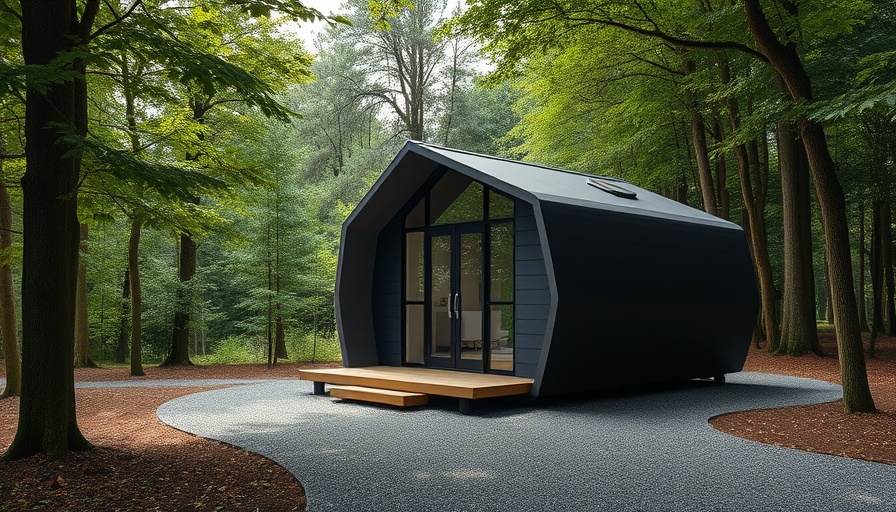
Modern granny pod nestled in a wooded area with natural light

The Rising Trend of Granny Pods in Real Estate

Granny pods, also known as Accessory Dwelling Units (ADUs), are generating buzz within the real estate sector as they cater to the evolving needs of families, particularly when it comes to housing for seniors. By integrating these pod-like structures into residential properties, homeowners not only provide a nurturing environment for aging parents but also enrich their own living spaces while boosting property values. Many real estate agents are observing a growing interest in these units, a trend that reflects a shift in how modern families approach living arrangements.

Understanding the Anatomy of a Granny Pod

A granny pod typically spans between 250 and 900 square feet and includes essential amenities like a living area, bathroom, and kitchen, all designed for independent living. Not only are these units accessible, boasting features like wide doorways and non-slip flooring, but they also incorporate smart technology—allowing homeowners to monitor the wellbeing of their elderly relatives from a distance. This technological integration provides peace of mind, combining safety with independence.

Granny Pods: A Solution to Aging

As the U.S. population ages, granny pods serve as an innovative housing solution. In many states like Georgia and Texas, these structures are gaining popularity due to their compact size and the comfort they provide for older adults who might need care but wish to maintain a certain level of independence. The emotional benefits tied to this form of housing cannot be understated: elder family members can navigate their golden years surrounded by loved ones, helping to strengthen family bonds and enhance quality of life.

The Financial Benefits of Investing in Granny Pods

Granny pods also present a cost-effective living option. According to various real estate reports, adding such a dwelling can increase property values by 20-30% or more, presenting a lucrative opportunity for homeowners. When considering options against assisted living facilities—which can be expensive—granny pods emerge as a more affordable alternative, shielding families from soaring senior care costs while facilitating a better balance of care and independence.

Potential Challenges of Granny Pods

While granny pods provide numerous benefits, they aren't without challenges. Homeowners may face zoning restrictions, permitting hurdles, or financial burdens during the installation process. Local regulations can vary significantly, so it's crucial for prospective pod-owners to consult with their local government to navigate the legal landscape effectively. It is also essential to consider long-term implications and whether these investments will yield desired economic returns in a fluctuating real estate market.

Future Trends in Granny Pods and Senior Living

Looking ahead, the trend toward granny pods appears poised for growth. With the ongoing emphasis on affordable housing solutions and the increasing desire for multi-generational living arrangements, we may see more developers building community-oriented complexes that feature granny pods. Real estate professionals should be prepared to adapt to these shifts, as such properties may leverage greater interest from potential home buyers in the coming years.

Your Next Steps: Embrace the Granny Pod Revolution

For real estate agents and homeowners alike, the burgeoning popularity of granny pods marks an opportunity for lucrative investments and meeting community needs. Whether you are considering building a granny pod or discussing these possibilities with clients, embracing this innovative housing option can provide significant benefits. Educating yourself about the details surrounding permits, building codes, and design considerations is key to ushering in this trend effectively.

Discover how granny pods can transform your property and provide unparalleled living solutions for your family. With a blend of independence and care, granny pods might just be what the future of housing—and family life—looks like.

Real Estate News

16 Views

0 Comments

Write A Comment

*
*
Related Posts All Posts
02.11.2026

Transform Your Space: Avoiding Common Home Design Mistakes

Update Common Home Design Mistakes and Their Solutions In the realm of real estate, first impressions are everything. When potential buyers walk through a property, they often judge a home based on its aesthetic and functional design. Yet too often, common home design mistakes can undermine an otherwise promising space. In this article, we will explore six prevalent design missteps and offer practical solutions to help you enhance the appeal of your home, whether you're looking to sell or simply want to refresh your living environments. The Importance of Choosing the Right Rug Size Choosing the wrong rug size is one of the most frequent errors homeowners make. A rug that is too small can create a disjointed appearance, making a room feel cramped and fragmented. To remedy this, ensure that the rug appropriately anchors your furniture. A well-placed large rug can make your space feel cohesive and complete, rather than disconnected. Aim for rugs that allow at least the front legs of sofas and chairs to rest upon them, thereby unifying furniture groupings. Understanding the Impact of Lighting Lighting is a critical yet often overlooked aspect of home design. Inadequate or harsh lighting can diminish the beauty of your decor and furniture. Homeowners frequently make the mistake of relying on a single overhead light fixture or mismatching bulb types. To enhance the ambiance, consider layering your lighting with a mix of ambient, task, and accent options. This strategy not only improves functionality but also enriches the visual depth of each room, creating a warm and inviting atmosphere. Choosing Paint Colors Wisely Another common misstep is selecting paint colors that clash with the room's lighting. Many homeowners choose colors based on how they look in-store, often neglecting to test swatches in natural and artificial light or throughout different times of day. To avoid this pitfall, it’s essential to take the time to test paint samples in various lighting conditions, ensuring that the chosen hue complements both the space and the existing fixtures. This approach will save you from regrettable choices down the line. Incorporating Adequate Storage Designing a space without adequate storage can lead to cluttered, chaotic environments. Too often, aesthetics take precedence over functionality, which can result in a beautiful but impractical home. By integrating storage solutions like built-in shelves, multifunctional furniture, and optimized closet designs during the planning phase, you can maintain style without compromising practicality. Effective storage keeps your home organized and visually appealing, crucial for potential buyers and everyday comfort alike. Choosing the Right Scale of Furniture The scale of furniture plays a crucial role in a room's overall harmony. Oversized pieces can crowd a space, while those that are too small can appear lost. Before purchasing furniture, measure your rooms, and visualize traffic patterns to ensure a balanced layout. Using painter’s tape to outline future furniture placements can give you a clearer picture of how different pieces will fit within the space. Choosing furniture that fits well within its environment creates a comfortable and inviting atmosphere. Designing for Lifestyle Lastly, homeowners often get carried away by aesthetic trends rather than designing with their lifestyle in mind. While trendy designs might look stunning, if they don’t cater to daily routines and practical needs, they can quickly become a source of frustration. Before selecting any design element, reflect on how each room will be used. Prioritize practicality over mere aesthetics, ensuring your home reflects both beauty and functionality. By addressing these common design mistakes, you can create a space that not only looks great but also works for your lifestyle. These improvements can significantly enhance your home's appeal, delight your guests, and most importantly, make your living space feel inviting and personalized. Considering making changes to your home? Whether you're searching for homes for sale, exploring Trulia listings, or seeking a skilled real estate agent, understanding the nuances of home design can be crucial. For those contemplating a move, trained real estate professionals can guide you through current market trends and property listings that align with your needs.

02.11.2026

Discover the Best Roofing Material for Your Climate and Home

Update Choosing the Right Roofing Material: A Vital Decision Your roof is much more than a protective covering; it’s a critical element that affects your home’s energy efficiency, aesthetic appeal, and long-term value. Selecting the right roofing material requires careful consideration of your local climate, personal preference, and budget. As we delve into the best roofing options available, we take the insights of industry experts into account, ensuring that homeowners make informed decisions that stand the test of time. The Importance of Climate in Roofing Choices Climate plays a pivotal role in determining the best roofing materials for your home. Different regions face distinct challenges—from heavy snow and rain to extreme heat and humidity—and understanding these factors is crucial to maximizing the lifespan of your roof. As Sherri Berry of MidSouth Construction notes, making a shortcut on the upfront cost can lead homeowners to higher repair costs later on. In regions like New England, where snow is a seasonal concern, [asphalt shingles](https://www.redfin.com/blog/best-roofing-material/) are a common choice due to their affordability and ability to withstand moderate snow loads. On the other hand, coastal regions require materials resistant to corrosion and high winds, such as metal roofing or concrete tiles. Types of Roofing Materials There are various roofing materials available, each with unique attributes suited to specific climates. Here are a few top contenders: Slate: Renowned for its beauty and durability, slate can last between 50 to 200 years and is perfect for historic homes. It’s particularly advantageous in climates that experience both freezing temperatures and snow accumulation, as it sheds snow easily. Tile Roofing: Available in clay, concrete, and metal, tile roofing is highly durable and known for its insulation properties. It’s ideal for hot, dry climates, effectively reflecting sunlight and keeping indoor temperatures cool. Metal Roofing: Lightweight and energy-efficient, metal roofs reflect sunlight, keeping homes cooler and reducing energy costs. They also shed snow efficiently, making them a smart choice for colder areas. Asphalt Shingles: A staple in North American roofing due to their affordability, asphalt shingles come in various designs and can be treated for enhanced durability in humid conditions. Long-Term Value versus Upfront Cost As emphasized by experts, the true cost of roofing materials goes beyond the initial purchase price. Considerations like maintenance, the lifespan of the roof, and energy efficiency play the most significant roles in determining long-term value. For example, while fiberglass asphalt shingles may seem like the easiest option, investing in premium shingles with reflective properties could save homeowners significantly on cooling costs in warmer months. Maintenance Matters: Keeping Your Roof in Top Condition Regardless of the roofing type you select, regular maintenance is essential for ensuring longevity. Hiring professionals to conduct periodic inspections, and servicing minor repairs promptly can prevent small issues from escalating into significant problems. This is especially critical for homeowners living in areas that experience rapid weather changes. Ensuring The Best Installation Ultimately, the best roofing materials will only perform as well as they are installed. Consulting with qualified local roofing professionals can help ensure that homeowners not only select the appropriate materials but also have them installed correctly, contributing to their roof's longevity and functionality. Final Insights: Making a Smart Investment The roof over your head is fundamental to your home’s structure and safety. When considering roofing options, always weigh the long-term benefits of durable, energy-efficient materials against initial costs. Begin your journey towards a reliable roof today by consulting local experts to explore your options. When you prioritize quality, durability, and proper installation, your roof can become an enduring asset to your property. As you prepare for house hunting or even contemplating renovation, remember that the ideal roofing material is not just about aesthetics but also about sustaining value over time.

02.10.2026

Ensure Optimal Comfort: Key Insights on HVAC System Sizing and Efficiency

Update Why Proper Sizing Matters in HVAC Choices Choosing the right HVAC system for your home is not just about the initial purchase price. A critical factor that often gets overlooked is the size of the unit. In the HVAC world, it is essential to understand that bigger isn’t always better. An oversized air conditioner may cool your space quickly, but it can lead to short cycling, inconsistent temperatures, and increased energy bills. HVAC contractor T.F. O’Brien emphasizes that a proper load calculation based on your home’s specific requirements is vital for optimal performance. Understanding Ductwork and Airflow Before settling on a new HVAC installation, assessing your existing ductwork is crucial. Poor airflow caused by leaks or blockages can severely hamper a new system's effectiveness. According to Josh Wayman, President of Sanitair Air Duct Cleaning, maintaining good duct conditions is vital for achieving consistent temperatures and improving indoor air quality. Homeowners should consider evaluating and possibly retrofitting their ductwork to prepare for their new systems. Identifying Existing System Issues Many homeowners overlook the importance of reviewing their existing HVAC system to uncover hidden issues. Common problems, such as low refrigerant levels or electrical faults, can negatively impact the performance of a new system if left unaddressed. Addressing underlying issues will not only guide future decisions but also enhance the new system's long-term effectiveness, ensuring you get the best comfort and efficiency from your investment. Balancing Cost with Efficiency While the immediate price tag of an HVAC unit is important, long-term operational costs often tell a different story. Homeowners should look beyond the initial expense and consider the energy efficiency ratings of the systems available. Higher efficiency systems may have a higher upfront cost but promise lower utility bills and benefits in home resale value. Josh Wayman notes the importance of verifying installation quality; it can significantly influence efficiency standards and performance. The Advantages of Professional Installation Investing in a professional installation service is equally as critical as selecting the unit itself. Certified technicians possess the expertise to perform accurate load calculations and comply with safety regulations. This not only ensures correct sizing and installation but also contributes to maintaining your HVAC system's efficiency and longevity. Homeowners can breathe easier, knowing they’re equipped with a properly functioning heating and cooling unit. Conclusion: Make Informed Decisions for Long-term Comfort When it comes to selecting an HVAC system, gaining insight into sizing, ductwork, existing issues, and efficiency can significantly impact your home comfort and energy consumption. By understanding the nuances involved in these decisions, real estate professionals can better inform their clients and ensure they make choices that protect not just their comfort, but also their investments. As you navigate the best options for your property or assist clients with theirs, consider these elements to avoid common pitfalls associated with HVAC installations. Are you looking to upgrade your HVAC system? Consult with a certified professional today to ensure you get the best possible unit for your home or property, and don’t hesitate to follow our other guidelines for maintaining an efficient and comfortable living space.

Terms of Service

Privacy Policy

Core Modal Title

Sorry, no results found

You Might Find These Articles Interesting

T
Please Check Your Email
We Will Be Following Up Shortly
*
*
*