Add Row
Add Element
cropper
update
Marin Home Ideas
update
Add Element
  • Home
  • Categories
    • Home Remodeling Ideas
    • Interior Design & Decor Ideas
    • Gardening & Landscaping Ideas
    • Outdoor Living & Entertaining
    • Health & Wellness at Home
    • DIY at Home
    • Kitchen Ideas
    • Bedroom Ideas
    • Bath Ideas
    • Cooking at Home
    • Home Office Ideas
    • Lighting Ideas
    • Furniture Ideas
    • Architecture Ideas
    • Senior Living at Home
    • Home Finance
    • Real Estate News
June 26.2025
3 Minutes Read

Volvo’s New Smart Seatbelt: Redefining Safety on the Road

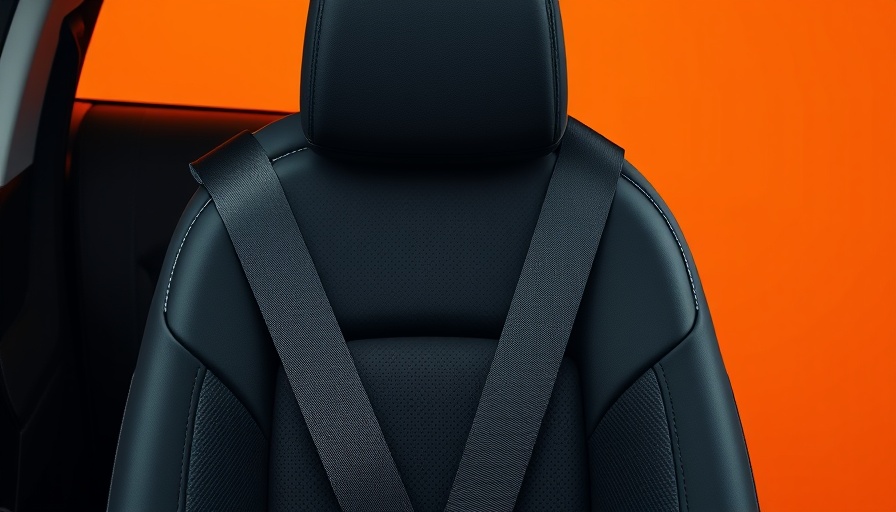
Volvo's innovative black seatbelt against an orange background.

Volvo's Innovations: The Future of Seatbelt Technology

When it comes to safety, few car manufacturers have the history and reputation that Volvo boasts. Known for pioneering significant advancements in vehicle safety, the Swedish automaker has recently unveiled their latest innovation: a smart seatbelt system designed to enhance protection for each individual occupant. This breakthrough is set to debut in the 2026 Volvo EX60 Crossover, demonstrating that Volvo is once again leading the way in automotive safety technology.

What Makes Volvo’s Smart Seatbelt Stand Out?

The modern seatbelt has been a crucial safety feature since it was introduced, significantly reducing injury during collisions. However, Volvo’s new design takes this crucial element to the next level with a smart seatbelt that adapts based on the passenger's size and posture. This isn’t merely an upgrade; it’s a revolution in how seatbelts function during an accident.

How Does It Work? According to Francois Meucci, Service Manager at Faulkner Volvo, the smart seatbelt system utilizes a range of sensors that assess various metrics of the occupant. This includes height, weight, and even seated posture, enabling it to dynamically adjust seatbelt tension during a crash. If a collision is imminent, the system activates tensioners and pretensioners — conditions favorable for larger passengers are vastly different from what a smaller occupant requires, which could mean the difference between life and death.

Real-Time Adaptability: A Game Changer in Safety

One of the standout features of Volvo's advanced system involves its ability to adapt in real-time. The smart seatbelt communicates with the Advanced Driver Assistance Systems (ADAS), using data collected from various sensors such as cameras, radar, and accelerometers to predict potential crash scenarios. This means if a side collision is detected, the seatbelt can immediately adjust based on real-time analytics, optimizing protection by altering the tension based on the driver's and passengers' sizes.

The Benefits of Enhanced Seatbelt Technology

This new era of smart seatbelt technology signifies a substantial leap forward in automotive safety. Not only does this feature promise to lower injury risks significantly, but it also includes machine learning capabilities. The system can learn and adapt over time, improving its functionality as more data is collected over its lifespan. Updates will ensure that the technology remains at the forefront of safety protocols.

Future Directions for Vehicle Safety

As Volvo paves the way with its innovative seatbelt technology, the automotive industry is likely to observe an influx of similar advancements from competitors. The movement towards more personalized and adaptable safety features suggests a future where vehicles take prowess in protecting not just occupants but also adjusting to individual needs.

The safety enhancements provided by Volvo’s smart seatbelts also invigorate conversations about how technology can shape not only smart cars but smarter approaches to travel safety. As we become increasingly reliant on technology in our daily lives, innovations like these will redefine how we think about safety features in vehicles.

Understanding Why This Matters

The introduction of smart seatbelts is critical. It not only showcases Volvo’s commitment to safety but also reflects an industry-wide shift toward personalized vehicle technology. Car owners looking for the latest in safety must consider how these advancements can impact their own or their loved ones’ lives. In an age where vehicle crashes are still a leading cause of injury, innovations that address this concern head-on are vital.

Moreover, as DIY enthusiasts often look for innovative home projects, this technology serves as an inspiring example of how changing times call for smarter solutions, much like advancements in home safety and organization that can be addressed through DIY projects. Just as seatbelts are adapted for safety, home spaces can be similarly enhanced for better living.

Conclusion: A Call to Embrace Change

Volvo's smart seatbelt system is a reflection of the future — a future where safety is customized, proactive, and intelligent. As consumers, it’s crucial to embrace and advocate for such advancements to ensure our safety on the road. With companies like Volvo committed to continually pushing boundaries, we remain optimistic about what lies ahead in vehicular safety.

DIY at Home

10 Views

0 Comments

Write A Comment

*
*
Related Posts All Posts
12.01.2025

Affordable Holiday Fun: Create a Cozy Atmosphere with DIY Candles

Update Transform Your Home for the Holidays with Affordable Lighting As the holiday season approaches, many families start thinking about how to create a cozy atmosphere that embodies warmth and joy. One simple yet effective way to accomplish this is through the use of friendship candles—an idea rooted in tradition yet made modern and accessible for all. With prices averaging under $35 for packs of these delightful candles, you can embrace this charming holiday decor without breaking the bank. The Heartwarming Tradition of Friendship Candles The concept of friendship candles has been cherished for generations, particularly in neighborhoods where they signify warmth and invitation during the chilly winter months. Each window adorned with these candle-shaped lights is a beacon of welcome, encouraging friends and strangers alike to visit and share in the festivities. In a fast-paced world dominated by digital interactions, the sight of glowing candles can remind us of simpler times, enhancing our emotional connection to the places we call home, especially throughout the holidays. Modern Innovations: The Evolution of Candle Use Gone are the days of tangled cords and fragile candleholders. Today's battery-operated friendship candles are designed for both practicality and beauty. For instance, the YAUNGEL Window Candles available on Amazon come equipped with remotes, allowing you to easily control brightness and flickering modes. Not only do these innovations simplify the setup, but they also provide a customizable element to your holiday decor. Whether you prefer a soft flickering light or a steady glow, it’s easier than ever to create that perfect ambience. Creating Your Own Candle Corner Setting up your own candle display can be a fulfilling DIY home decoration project. You can incorporate various designs, colors, and placements depending on your individual taste. Set candles in every window or focus on the front-facing ones. Additionally, aim for symmetry and balance; this will elevate your winter décor from simple to stunning. A good tip is to order a few extra candles as well, just in case some fall or need replacement. According to customer reviews, certain options light up brighter than others, so don't hesitate to read product specifications before committing. Affordable Alternatives: Finding the Right Candles for Your Space Besides the stylish YAUNGEL candles, you have options that fit various aesthetics. Reference Article 1 mentions budget-friendly selections starting as low as $5.67, making it easy to experiment with different styles and scents. Whether you prefer soy candles, jar styles, or unique novelty designs, the market is brimming with options that fit any holiday theme—be it Nordic, rustic, or modern. Scented candles can also elevate the mood, with fragrances ranging from gingerbread to fresh pine. Benefits of Holiday Candles Beyond Aesthetics Holiday candles not only beautify your home but also have a powerful psychological impact. A calming floral or festive scent can evoke feelings of nostalgia and generate a positive emotional state. Lighting a candle while unwinding or entertaining guests can elevate the holiday spirit and help foster a sense of belonging. The warmth of candlelight often makes gatherings more intimate and comforting, creating lasting memories as you share these moments with loved ones. Take Your Festive Atmosphere a Step Further To maximize the effect of your candle lighting, consider layering other DIY home decor elements around them. Festoon your windows with lush greenery—think pine branches or holly—and intertwine strings of lights for a magical look. Adding pillows and warm blankets can also enhance comfort, making your living space feel genuinely inviting. The DIY home improvement projects you undertake now will contribute to a warmer and more festive atmosphere, paving the way for joyful gatherings and cherished holiday traditions. Celebrate Joyful Traditions with Candles This Holiday Ultimately, embracing the tradition of friendship candles allows you to create a warm, inviting home during the holiday season. As you'll see, the costs are manageable, the choices are plentiful, and the benefits are immeasurable. If you're ready to spread some joy and light this holiday season, consider starting your friendship candle tradition today—it's a small investment that could transform your home into a cozy retreat. Candles are more than just decor; they are a means to express love and joy. So gather your family and make this a part of your tradition to create a heartwarming holiday atmosphere together!

12.01.2025

Can You Drive Over the Speed Limit in the Left Lane? Essential Guidelines for Drivers

Update Understanding Passing Lane Laws: Why They Matter to Every Driver Picture this: You’re cruising down the highway, the wind in your hair, and suddenly you’re stuck behind a slow driver in the left lane. It’s an all-too-common scenario that many motorists face. While it can be frustrating, understanding the laws surrounding the passing lane can make your driving experience smoother and safer. In this article, we’ll unravel the mystery of passing lane laws, explore when and how to use the left lane legally, and share tips to ensure you stay out of trouble on the road. What Is the Passing Lane, and How Should It Be Used? The passing lane, or leftmost lane on highways, is designed for one purpose: overtaking slower vehicles. According to federal guidelines from the National Highway Traffic Safety Administration (NHTSA), the passing lane should only be used when a driver is engaged in the act of passing another vehicle, after which they should return to the right lane. This may seem straightforward, yet many drivers misuse this crucial lane, often leading to traffic disruptions. Unfortunately, some drivers believe that they are free to drive at the speed limit while remaining in the left lane, but that is not the case. Legal experts, like Joshua Branch, clarify that remaining in the fast lane without passing can lead to traffic tickets and possibly liability in the event of an accident. To maintain safety, it's crucial for drivers to move back to the right lane as soon as they’ve completed their maneuver, allowing for a more fluid flow of traffic. When Passing Is Unsafe and Illegal There are certain conditions under which passing on highways is not just unsafe but also illegal. You may find signs indicating no passing zones, such as near tunnels, intersections, or blind hills. Furthermore, driving conditions can play a significant role. Poor visibility due to rain, fog, or snow should prompt drivers to avoid passing altogether until conditions improve. In addition, on two-lane roads, dashed center lines signify legal passing zones. Solid lines indicate that passing is prohibited, and disregarding this could lead to hazardous situations or fines. Always be vigilant to know when it's appropriate to pass, especially on roads with varying rules across different states. The Consequences of Left Lane Misuse The slow left lane driving habit not only frustrates fellow drivers but can lead to serious consequences. Research indicates that slow left lane drivers contribute to as much as 10% of highway accidents due to frequent lane changes by faster drivers trying to maneuver around them. This is problematic as it increases the risk of collisions and creates unnecessary accidents on the highway. Moreover, many states have recognized this issue and are cracking down on this type of driving behavior. Some jurisdictions like Illinois and Ohio have strict enforcement of left lane laws, issuing tickets to those who linger in the left lane unnecessarily. Understanding your state’s regulations can help you avoid unwanted fines and maintain a safer driving environment. Promoting Lane Courtesy: An Essential Practice for All Drivers Lane courtesy is a critical concept for promoting safety on the road. Organizations such as the National Motorists Association have campaigned for “Lane Courtesy Month” to highlight the importance of allowing faster drivers to move through the lanes unhindered. Practicing good lane etiquette not only helps mitigate frustration but is a vital aspect of road safety. This collective effort can lead to reduced congestion and fewer road accidents. Driving is about shared responsibility. Encouraging friends and family to adhere to lane courtesy, paying attention to traffic laws, and promoting awareness can significantly improve our roads. Writing to local authorities or sharing information through community forums can help raise awareness regarding lane usage and its legal implications. Conclusion: Drive Responsibly and Know the Laws Understanding and following passing lane laws helps to ensure a smoother traffic flow and contributes to everyone’s safety on the roads. By avoiding unnecessary slow driving in the left lane and adhering to the established laws, drivers can enhance their own experiences and those of others around them. Know your state’s traffic laws, practice lane courtesy, and remember: the left lane is for passing, not cruising!

12.01.2025

Maximize Your Investment: How Long Should You Keep Your Car?

Update Understanding the Best Ownership Length for Your Vehicle When it comes to owning a vehicle, timing is everything. For many drivers, determining the right moment to hold onto a car significantly impacts financial stability and safety. While average car ownership stretches into the 8.4-year range, studies and expert insights suggest that the best balance between value retention and usability often occurs between three to five years. This is especially crucial if you seek modern technology and reliability while minimizing costs associated with maintenance and depreciation. Why Ownership Duration Matters Cars depreciate rapidly, with the most significant drop occurring in the first year—20 to 30%, then around 35-50% by year three. This financial cliff suggests that keeping a car beyond this window can lead to losses exceeding the vehicle's worth. Notably, repairs and upkeep costs increase with age, making it crucial for owners to calculate the optimal ownership period based on their specific financial goals. Expert Insights on Value and Safety As automotive industry experts like Zander Cook of Leaseend point out, value isn't solely about cash—it's also about peace of mind. Investing in a new or gently-used vehicle equipped with the latest safety features can save lives. Today’s vehicles may include modern advancements like automatic emergency braking and lane-keeping assist, features that could potentially make the difference in a critical situation. If an older car lacks these essential technologies, it might be time to consider a replacement. The Emotional Attachments vs. Financial Sense Many individuals develop deep emotional ties to their vehicles, sometimes clinging to them long past their financial worth or safety capacity. However, experts like Melanie Musson caution against overlooking practical considerations. If your car feels unsafe or increasingly requires expensive repairs, sentimental value should take a backseat to safety and cost-effectiveness. If you've maintained a car extensively, lenders and dealers can offer guidance to reassess its value and prospects without attachment clouding judgment. Making Informed Decisions About Repairs It’s essential to have a maintenance schedule and understand its financial implications. As vehicles age, maintenance costs typically rise. Owners should prioritize upkeep and repair to ensure safety and reliability, but know when repair costs outweigh the value of the car. According to recent data, owners should aim to sell their car before the repairs start accumulating beyond a certain threshold—often around the 10-year mark. Your Options: Trade-In vs. Private Sale Deciding whether to trade in a vehicle or sell it privately influences the return you receive significantly. Trade-ins offer convenience and often provide tax benefits but can yield lower returns compared to private sales. It’s prudent to assess local market conditions and potential depreciation impacts before making a sale. Tools like Kelley Blue Book can assist in determining fair market values. The Best Cars for Long-Term Value While some cars retain value better than others, brands noted for excellent resale performance include the Jeep Wrangler and Toyota Tacoma. These vehicles not only offer reliability and durability but also maintain higher resale figures even after several years on the road. If you seek vehicles that will provide solid resale opportunities, keeping tabs on resale trends and market demand is beneficial. Final Thoughts: Car Safety is Priceless The ideal vehicle ownership period is deeply personal, balancing emotional connections and practical considerations. Ultimately, prioritize safety and staying informed about market conditions. With the right information and mindset, making the decision to keep or sell a car can ensure you get the most out of your investment. Your safety—and that of your loved ones—should be your primary concern. If it feels like your car's days are numbered, embracing change could lead you to a more reliable and technologically savvy vehicle.

Terms of Service

Privacy Policy

Core Modal Title

Sorry, no results found

You Might Find These Articles Interesting

T
Please Check Your Email
We Will Be Following Up Shortly
*
*
*