Add Row
Add Element
cropper
update
Marin Home Ideas
update
Add Element
  • Home
  • Categories
    • Home Remodeling Ideas
    • Interior Design & Decor Ideas
    • Gardening & Landscaping Ideas
    • Outdoor Living & Entertaining
    • Health & Wellness at Home
    • DIY at Home
    • Kitchen Ideas
    • Bedroom Ideas
    • Bath Ideas
    • Cooking at Home
    • Home Office Ideas
    • Lighting Ideas
    • Furniture Ideas
    • Architecture Ideas
    • Senior Living at Home
    • Home Finance
    • Real Estate News
July 31.2025
3 Minutes Read

What You Need to Know About Master-Planned Communities Before You Buy

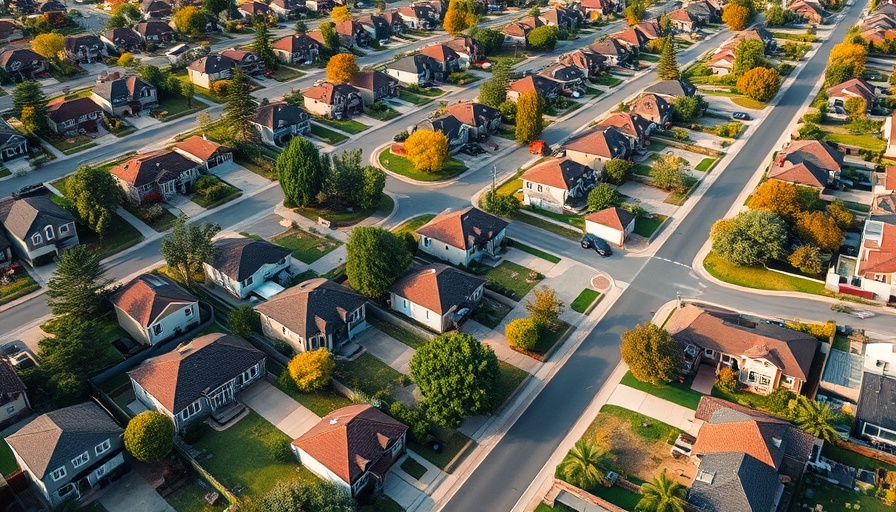
Aerial view of a master-planned community with diverse homes.

Understanding Master-Planned Communities: More Than Just Housing

If you've ever explored options for a new home, the term "master-planned community" might have surfaced in your search. But what does it actually mean? A master-planned community (MPC) is essentially a large-scale residential development designed to blend various housing options with amenities, services, and public spaces. Imagine living in a place where the need for daily conveniences—like shopping, recreation, and working—is embedded within your very neighborhood.

Why Choose a Master-Planned Community?

The allure of master-planned communities lies in their abundance of facilities and services. Many MPCs encompass things like gyms, swimming pools, parks, and even golf courses. This can significantly enhance your lifestyle, offering fun activities for families and a vibrant social scene for residents.

Moreover, most MPCs are maintained via Homeowners Associations (HOAs), which not only take care of shared amenities but also help maintain aesthetic standards throughout the community. This concept of a managed environment appeals to many potential homeowners, simplifying homeownership with access to maintained parks and recreational areas.

Financial Considerations: The Cost of Living in Paradise

While the benefits may be alluring, it’s crucial to consider the financial aspects involved in living in a master-planned community. The presence of the HOA means that you may incur additional monthly fees on top of your mortgage. These fees can vary widely, generally falling between $100 and $700, but in some prime locations, they could exceed $1,000. This added cost plays a critical role in how much you can afford and could influence your decision significantly.

Master-Planned Communities vs. Traditional Neighborhoods

It’s important to differentiate between an MPC and a traditional neighborhood. While both provide housing, MPCs aim for a self-sufficient environment incorporating schools, shops, and recreational facilities—often designed with walkability in mind. In contrast, a traditional neighborhood might rely more heavily on the surrounding areas for such services, making travel necessary for daily activities.

Future Trends in Master-Planned Communities

As consumer preferences evolve, master-planned communities are adapting to change. Today’s buyers are often interested in sustainability, diversity, and integrated technology in their living spaces. Future developments may emphasize green building practices, integrated smart home features, and more communal spaces that support a digital lifestyle while fostering real community interactions.

Key Takeaways and Considerations

In the quest for the perfect home, understanding the full implications of moving into a master-planned community is crucial. If you desire convenience, community events, and a range of amenities, an MPC might suit your lifestyle. However, weigh the additional HOA costs against your budget carefully. Always research different MPCs in depth, to find one that aligns with your personal needs and financial situation.

Explore Your Options!

In summary, whether you are considering a master-planned community or exploring homes for sale in traditional neighborhoods, having a comprehensive understanding of your choices will empower you during your home-hunting journey. Keep looking, and consult enriching resources like Zillow, Redfin, or work with a trusted realtor to find the best options available to you—be it a charming condo for sale or a spacious house for rent.

Join the growing number of homeowners who are choosing the master-planned lifestyle. Take the next step towards your dream with the right knowledge. What will your next move be?

Real Estate News

8 Views

0 Comments

Write A Comment

*
*
Related Posts All Posts
01.10.2026

A Comprehensive Guide to Real Estate Auctions: How to Buy Smart

Update Understanding Real Estate Auctions: A Guide for Buyers Real estate auctions represent a unique avenue in the property market that can lead to significant savings for well-prepared buyers. Yet, participating in these auctions also carries inherent risks, making it crucial to fully grasp the process before diving in. Whether you're a novice or a seasoned investor, here's what you need to know about buying a home at auction. The Basics of Real Estate Auctions A real estate auction is a public sale in which properties are sold to the highest bidder, usually conducted by an auctioneer. This format not only provides a potentially quick sale but can also yield properties at lower prices. Auctions can be in-person or online, allowing a broader spectrum of buyers to participate. Why Properties Go to Auction Several factors can lead to a property being auctioned. Common reasons include: Foreclosure: Properties may go to auction after owners defaulted on their loans, often to help lenders recover their losses. Tax Delinquency: Homes can also be auctioned to collect outstanding taxes owed by the owners. Estate Sales: Inherited properties may be sold at auction if heirs cannot agree on their fate or wish to liquidate them quickly. High Inventory from Builders: Builders may auction homes to clear out inventory, especially if they are not moving within the expected timeframe. Types of Real Estate Auctions: Know Before You Bid Understanding the different auction types is critical for buyers: Absolute Auction: The property is sold to the highest bidder, regardless of the final price. Reserve Auction: Unlike an absolute auction, the seller sets a minimum acceptable price; if the bids don't meet this price, the property won't sell. Foreclosure Auction: Usually conducted by a bank to recover unpaid debts, often with no minimum bid. Prepare for Auction Day To ensure success at an auction, it's essential to come prepared. Here’s how: Research: Investigate the property thoroughly, including neighborhood property values, maintenance issues, and potential liens. Failure to do so could lead to unexpected costs later. Financing: Many auctions require proof of funds or mortgage pre-approval. Some may even necessitate an earnest money deposit. Rules Understanding: Review auction terms carefully to avoid hidden surprises after the auction closes. Budgeting: Set a firm limit on your bid to prevent getting caught up in bidding wars, a common trap at auctions. What to Expect During Bidding Bidding can be an adrenaline-fueled experience, especially in competitive environments. Two main types of bids will be encountered: Blind Bidding: Bidders submit offers without knowing what others are offering, which can favor sellers but carry risks for inexperienced buyers. Open Bidding: All bids are visible, allowing buyers to gauge competition. Risks and Considerations While auctions can yield bargains, they come with risks: No Guarantees: Properties are often sold "as-is" without warranties. Buyers should always perform their due diligence to avoid overpaying or dealing with hidden issues. Additional Costs: Understand that prices can escalate quickly; winning bids can lead to buyer’s premiums, closing costs, and potential back taxes. Final Thoughts: Is Auctioning Right for You? Real estate auctions can be rewarding for buyers who are prepared and informed. They offer an exhilarating way to find properties, potentially at a discount. However, knowledge is power—understanding the auction process, the rules, and the investment landscape can arm you with a strong negotiating position. Considering the intricate nature of real estate auctions, if you're contemplating participating in one, collaborating with a skilled real estate agent might be advantageous. They can guide you through the nuances, highlight potential pitfalls, and ensure you’re making an informed and strategic bid.

01.07.2026

Transform Your Savings Strategy: 9 Essential Tips to Buy a House Faster

Update Understanding the Real Cost of HomeownershipBuying a home is more than just the purchase price; it's a substantial financial commitment that includes various initial and ongoing costs. Understanding these expenses is crucial for prospective homeowners. The most significant costs typically involve the down payment, which often ranges between three to twenty percent of the home's price, and closing costs, which can be an additional 2% to 5%. Educating yourself about these figures helps set realistic savings goals.Nine Essential Steps to Save for Your Dream HomeSaving for a house can feel overwhelming, but breaking it down into actionable steps simplifies the process. Here are nine strategies that can help you achieve homeownership faster: Create a Realistic Budget: Start by reviewing your monthly income and expenses. Tracking your spending can help identify non-essential costs to cut back on. Automate Your Savings: Set up automatic transfers to your savings account whenever you receive a paycheck to build your house fund without thinking about it.Open a High-Yield Savings Account: Keep your savings in a high-yield account that offers better interest rates compared to standard savings accounts, allowing your money to grow.Consider Additional Income: Consider side jobs or freelancing to supplement your income, contributing more to your savings.Utilize Windfalls: Allocate any bonuses or tax returns directly into your house savings rather than spending it.Cut Unnecessary Expenses: Review monthly subscriptions and consider categorizing needs versus wants to reduce spendings like dining out and subscriptions.Explore Homebuyer Assistance Programs: Research local programs that offer financial assistance for first-time buyers; these may include grants or low-interest loans.Dive into Real Estate Options: Utilize platforms like Redfin, Zillow, or Trulia to keep an eye on real estate listings. They often provide information on market trends and housing prices in your desired area.Consult a Professional: Work with a knowledgeable realtor who can offer insights into pricing trends and help in negotiations, potentially saving you thousands.Why Timing and Planning MatterChoosing the right time to buy can significantly impact the overall cost of homeownership. Research shows that purchasing during the off-season, such as in winter, can yield lower prices due to reduced buyer competition. Additionally, keeping up with interest rate trends can help you make informed decisions that maximize savings.The Importance of a Strong Credit ScoreYour credit score plays a pivotal role in your mortgage options – the higher your score, the better mortgage rates you will get. Lenders are more likely to offer favorable interest rates to borrowers who demonstrate responsible credit habits. This can greatly reduce the total amount paid over the life of the mortgage.Real-Life Examples of Successful HomebuyersMany first-time homebuyers have successfully navigated this journey using the aforementioned strategies. For instance, Sarah and John from Ohio began their home-saving efforts by creating a strict budget and automating their savings. Within two years, they saved enough for a 10% down payment and negotiated a favorable deal with their realtor. Their story highlights the potential success of employing a strategic approach to home savings.Common Misconceptions Around Home BuyingMany potential buyers believe that saving towards a 20% down payment is necessary, but that's not always the case. Numerous loan programs, such as FHA and VA loans, require as little as 3% or offer zero down payment options. By clarifying these misconceptions and pursuing viable strategies, potential homeowners can feel more empowered on their journey.Concluding Thoughts and Action StepsSaving for a home is a detailed and sometimes daunting process, but it's achievable with a solid plan and intentionality. If you're serious about homeownership, start implementing these strategies today to save more effectively. Remember, every small step you take today will bring you closer to your home-buying dream.

01.07.2026

Unlocking Financial Freedom: Discover Top Financial Benefits of Homeownership

Update Unlocking Financial Freedom: The Benefits of Homeownership For many first-time buyers, the journey to owning a home represents more than just acquiring a physical space—it’s a gateway to achieving significant financial benefits that renting seldom provides. Understanding the financial upside of homeownership can empower new buyers with confidence as they navigate one of life's biggest investments. Building Equity: Your Path to Financial Security One of the primary advantages of homeownership is its ability to build equity. Home equity is essentially your ownership stake in the property, which increases as you make mortgage payments over time. Every payment not only reduces your principal balance but, when combined with potential increases in property value, forms a significant financial asset. According to Todd Christensen, author at Money Fit, "Home equity gives homeowners flexibility they don’t have as renters." It can be tapped into for essential expenditures or future investments and serves as a long-term savings plan. This equity contributes to both a stable financial profile and enhanced net worth. Wealth Growth Through Appreciation Another compelling reason to invest in homeownership is the potential for property appreciation. Over time, most homes increase in value, especially in desirable areas. This increase, or appreciation, can dramatically boost your overall wealth. By owning a home, you benefit from dual growth opportunities: the equity you build with each mortgage payment and the increasing market value of your property. Historically, homes have appreciated faster than inflation, making them a powerful asset for long-term financial growth. Predictable Housing Costs: A Financial Lifesaver Homeownership also offers the invaluable benefit of predictable monthly housing costs. With a fixed-rate mortgage, your principal and interest payments stay constant throughout the life of the loan, allowing for better budgeting and financial planning. Christensen points out that while renters typically allocate 30% to 50% of their income to rent—which can fluctuate depending on the market—homeowners experience a steady housing cost, which usually decreases as income rises over the years. This stability not only promotes better financial discipline but also keeps the homeowner's financial landscape less tumultuous. Tax Advantages: Lowering the Burden Homeownership comes with several tax benefits not accessible to renters, significantly lowering overall costs. Homeowners can deduct mortgage interest and property taxes, which can contribute to notable annual savings. Such deductions can ameliorate the financial burdens associated with homeownership and make it a more attractive option for first-time buyers. Extended tax benefits can further include capital gains exclusions when selling your primary residence, should you meet specific criteria, greatly enhancing the affordability of homeownership in the long run. Protection Against Inflation: Locking In Your Expenses In today’s economy, where inflation can fluctuate, owning a home can shield you from rising living costs, particularly rent. A fixed-rate mortgage protects against increased housing expenses. As inflation rises, property values generally increase, mitigating the impacts of rising prices on your home investment. Your mortgage payments remain stable, preserving your buying power over time as you face increasing costs in other areas of life. Potential for Rental Income: Turn Your Home into an Asset Owning a home can also lead to passive income opportunities. Homeowners can generate rental income by leasing out spare rooms or investing in additional rental units. This income can alleviate monthly expenses or enhance your overall financial situation significantly. Even small amounts of rental income can help pad your savings or support long-term ambitions, providing yet another incentive to invest in homeownership. Boosting Your Credit Profile: A Smart Move Making consistent mortgage payments improves your credit score. Lenders view mortgage management as a sign of financial responsibility, which can unlock better borrowing conditions in the future. Strong payment history also diversifies your credit mix, providing a healthy profile that is beneficial for any future loans. The cumulative effect of building equity alongside a solid credit rating compounds your wealth in ways that renting does not. Greater Net Worth: A Comparative Advantage Statistically, homeowners enjoy a significantly higher net worth compared to renters. This difference highlights the advantage of investing in property that appreciates over time and contributes to an asset base that renters simply do not accrue. Homeownership facilitates a pathway toward wealth accumulation and promotes long-term financial planning—benefits that renters miss out on. Your Journey to Homeownership Starts Here In conclusion, understanding the financial benefits outlined above can significantly influence your decision to enter the real estate market. As you gear up to explore properties, consider how homeownership can unlock new financial opportunities for your future. The path to homeownership not only provides a place to call your own, but it’s also a journey towards building lasting wealth and financial security. Are you ready to take the leap into homeownership? Explore home listings today on marketplaces like Zillow, Redfin, and Trulia. Your dream home awaits!

Terms of Service

Privacy Policy

Core Modal Title

Sorry, no results found

You Might Find These Articles Interesting

T
Please Check Your Email
We Will Be Following Up Shortly
*
*
*